More than five million dollars worth of European metalworking equipment reached two major Russian defense contractors in 2023 and 2024, despite European Union sanctions barring such trade, according to customs and trade records.
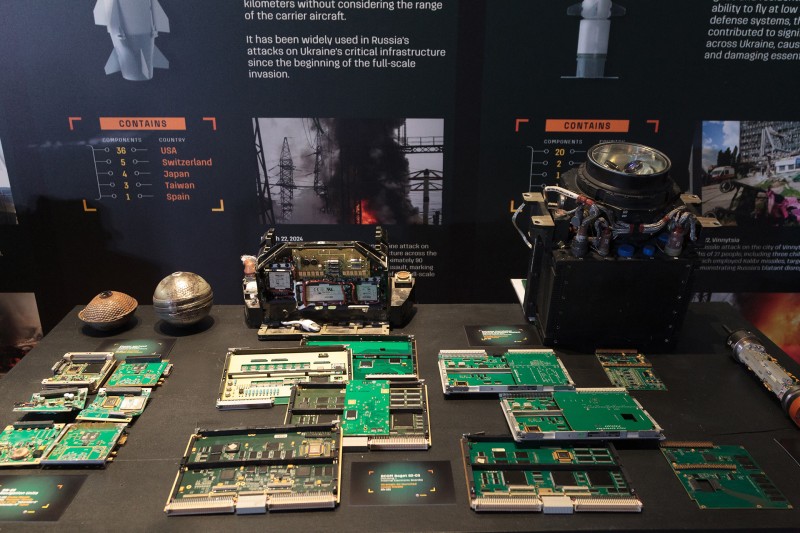
The specialized machinery was exported by Redwing Metal Uluslararasi Ticaret Anonim Sirketi, a company based in Turkey, to Aluminum Metallurg Rus and Stupino Metallurgical Company, both key suppliers to Russia’s defense-industrial complex. These plants produce specialized metal alloys used in combat aircraft and cruise missiles, including the Kh-101 missile that struck a residential building in Kyiv on May 14, killing 24 civilians.
The case highlights a persistent gap in EU sanctions enforcement: while direct and indirect sales to Russia are prohibited, goods can pass through intermediary nations that have not imposed similar restrictions. Experts note that manufacturers in EU states often cannot track whether their products ultimately reach Russian end users after being sold to companies in third countries.
A co-owner of Redwing Metal denied the company had shipped sanctioned goods to Russia. Neither AMR nor SMK responded to inquiries about the shipments.
The equipment sent to Russia included Italian-made CNC lathes used for precision metal shaping, along with a metal heat-treatment furnace, a hydraulic press, an aluminum disc pre-assembly machine, and belt conveyors. The manufacturers were based in Italy, Germany, Spain, and the Czech Republic.
Sanctions experts who reviewed the shipment data described the list of equipment as highly suggestive of a coordinated effort to supply Russia’s defense production capabilities. Some of the goods have been banned since early 2022, reflecting their early recognition as strategically important to the Russian military.
Redwing Metal was established in Turkey shortly after Russia launched its full-scale invasion of Ukraine in 2022. Corporate records show the company is co-owned by a Dutch national residing in Switzerland, who holds a 40 percent stake, with the remainder held by a Turkish lawyer.
The Dutch co-owner stated in written responses that he serves as a part-time consultant with limited knowledge of the company’s operations, and denied any involvement in sanctions evasion. The Turkish co-owner questioned the legality of the trade data showing exports to Russia, calling the allegations unsupported.
Financial records indicate both Russian plants are owned by an individual who is the son-in-law of the deputy head of Rostec, Russia’s state defense conglomerate, which is itself under sanctions.
Beyond industrial machinery, customs data shows Redwing Metal also shipped 1.3 million dollars worth of shipbuilding equipment to a Russian firm until 2024, including anchors, mooring winches, ventilation fans, and wastewater treatment systems. These components were destined for vessels linked to Russian naval programs, one of which was completed in mid-2025.
Legal experts warn that EU nationals who knowingly facilitate sanctions evasion through third-country intermediaries could face both financial penalties and criminal prosecution under the laws of their home member states, though such charges have rarely been pursued to date.