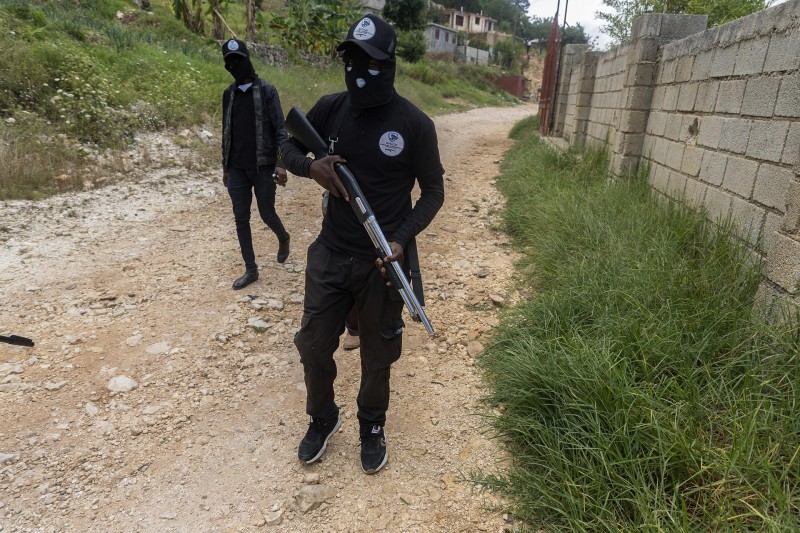
The United Nations has raised serious concerns over the escalating role of Haiti in global drug cartels, as powerful gangs tighten their grip on the nation and forge deeper alliances with international crime syndicates. Despite a worsening security crisis that has forced hundreds of thousands from their homes, criminal groups are now battling for control of strategic territories across the capital and beyond, fueling an unprecedented humanitarian and economic collapse.
In July 2025, authorities made a record-breaking seizure of 1.05 tonnes of cocaine – the largest in more than three decades – underscoring Haiti’s strategic importance in the illicit trade. Shortly thereafter, two Haitian nationals were apprehended in Jamaica with over 1,350 kilograms of cannabis. Investigators traced the cocaine’s origins to South America, with destinations including the Caribbean and the United States. Further evidence of Haiti’s expanding role emerged when a 1,156-kilogram cocaine shipment originating from the country was intercepted in Belgium last August.
The nation has long been listed among 23 major drug transit or producing countries by Washington, a designation that has now held for 36 consecutive years and dates back to 1989. However, the recent alerts from the United Nations indicate a significant escalation. Reports now detail sophisticated, well-coordinated trafficking corridors involving networks from The Bahamas and Jamaica, prompting calls for a robust regional law enforcement response.
Gangs have entrenched themselves along key entry and exit routes in and out of Port-au-Prince and the border with the Dominican Republic, using these pathways not only for drug smuggling but also for weapons and human trafficking. Some criminal units are even extorting tolls from boat operators and carrying out armed robberies at sea, further destabilizing the country.