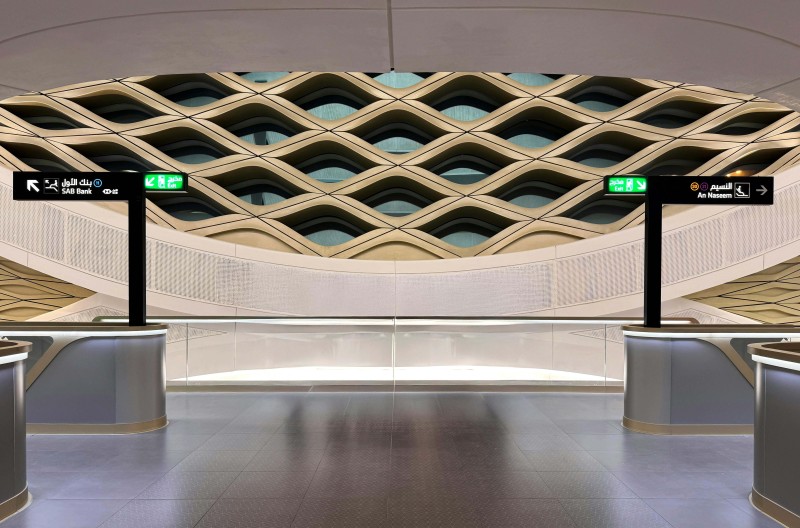
Behind the gleaming image of Saudi Arabia’s multi-billion-dollar Riyadh metro lies a pattern of systematic abuse against migrant laborers from South Asia, according to a new investigation by Amnesty International. The 42-page document reveals that workers from Bangladesh, India, and Nepal endured low wages, debt bondage, and unsafe conditions while constructing the 176-kilometer transit network.
The report, based on interviews with 38 employees of various Saudi and international firms, details exploitation starting from the recruitment phase. Middlemen charged fees ranging from 700 to 3,500 US dollars, plunging many into crippling debt before they even arrived. Once in the kingdom, salaries for junior positions averaged just 1,000 Saudi riyals—around 266 dollars per month—with some early hires receiving as little as 700 to 800 riyals and needing years to reach higher pay.
Workers recounted employers seizing their passports and housing them in cramped, unhygienic accommodations. The construction site itself was described as a “hell,” with temperatures regularly topping 40 degrees Celsius for over eight hours daily during summer. “The foremen and engineers would force us to work overtime even in hot temperatures. We would say, ‘We can’t. It’s extremely hot.’ But they would say, ‘keep working,'” one Indian laborer named Janak told Amnesty.
Amnesty attributes these abuses to the Kafala sponsorship system, which controls the legal status of more than 13 million foreign workers in Saudi Arabia. The system ties residency and job mobility to the employer. Despite what the report calls “limited reforms,” including measures allowing workers to request exit or re-entry without employer permission, Amnesty concludes the system “continues to grant employers excessive control over foreign workers’ legal status, job mobility, and freedom to exit the country.”
The report warns that without meaningful change, laborers on Saudi megaprojects will remain vulnerable to state-sanctioned mistreatment—abuse that has sometimes proven fatal. In May, Human Rights Watch documented deaths from electrocution, decapitation, and falls on construction sites for the kingdom’s “giga-projects,” including infrastructure for the 2034 FIFA World Cup.
“For companies operating in or entering Saudi Arabia, these findings should serve as a clear warning: comprehensive human rights due diligence is not optional,” said Marta Schaaf, Amnesty International’s Program Director for Climate, Economic Social Justice and Corporate Accountability. “Without robust processes in place early on and an adequate plan to address any human rights concerns, businesses risk being directly linked or contributing to systematic labour abuses.”