French authorities have opened a major criminal investigation into the illegal movement of money from Lebanon, focusing on the European arms of key Lebanese financial institutions. This move could lead to prosecution of foreign banking executives for their part in the country’s economic collapse.
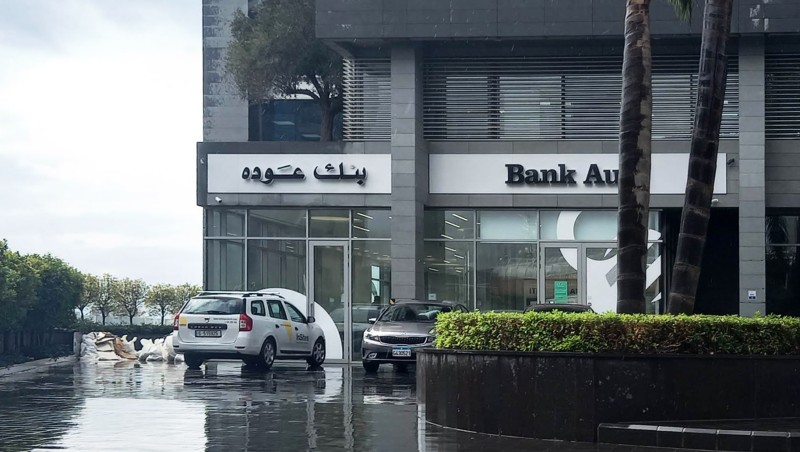
The probe targets the French unit of Bank Audi and Banque Richelieu France, an institution connected to Lebanon’s Société Générale de Banque au Liban (SGBL) and prominent banker Antoun Sehnaoui.
Investigators are looking into allegations including money laundering, breach of trust, handling stolen goods, and criminal conspiracy. This is the strongest European effort yet to untangle the secretive financial flows that emptied Lebanon’s public finances while ordinary citizens lost access to their savings.
William Bourdon, head of the Paris-based anti-corruption group Sherpa that helped push for the inquiry, described it as a turning point for global financial accountability. He noted that it’s the first time European-level criminal liability may be pursued against foreign banks and their executives, with possible tax fraud charges emerging as the case advances.
Bourdon stressed the importance of holding European banking subsidiaries legally responsible for allegedly participating in illegal activities coordinated with their parent companies in Beirut. He predicted the French case could spark similar legal actions across other European countries.
This investigation is part of wider international efforts to assign blame for Lebanon’s financial crisis that began in late 2019, which the World Bank ranks among the worst globally in modern history.
The French case originated from legal complaints filed in July 2025 by Sherpa and the Collective of Victims of Fraudulent and Criminal Practices in Lebanon. It’s being handled by the Paris Public Prosecutor’s Office’s Financial Section and the Central Office for Combating Corruption and Financial and Tax Offences, which already oversees cases against Lebanon’s political and financial elite, including former central bank governor Riad Salame and ex-Prime Minister Najib Mikati.
In September 2025, French investigators started a fraud and money laundering probe into Mikati and his brother Taha, following an April 2024 complaint accusing them of using offshore companies to buy assets in France illegally.
Although not formally linked, Bourdon noted clear connections between the probes regarding involved actors, mechanisms, and alleged facts, adding that formal cooperation could be considered later.
This investigation deepens Sehnaoui’s legal troubles. As SGBL chairman and a major figure in Lebanese finance, he faces a U.S. civil lawsuit accusing the bank of money laundering and ties to Hezbollah.
The probe also continues alongside criminal proceedings against Salame, who ran the central bank from 1993 to 2023 and is under U.S. sanctions for financial crimes. He faces corruption allegations domestically and internationally.
In Beirut, a hearing for a complaint against Salame by current Central Bank Governor Karim Souaid was postponed to May 4. Salame didn’t appear, citing medical reasons. The complaint involves accusations of illicit enrichment and embezzling central bank funds through offshore shell companies.