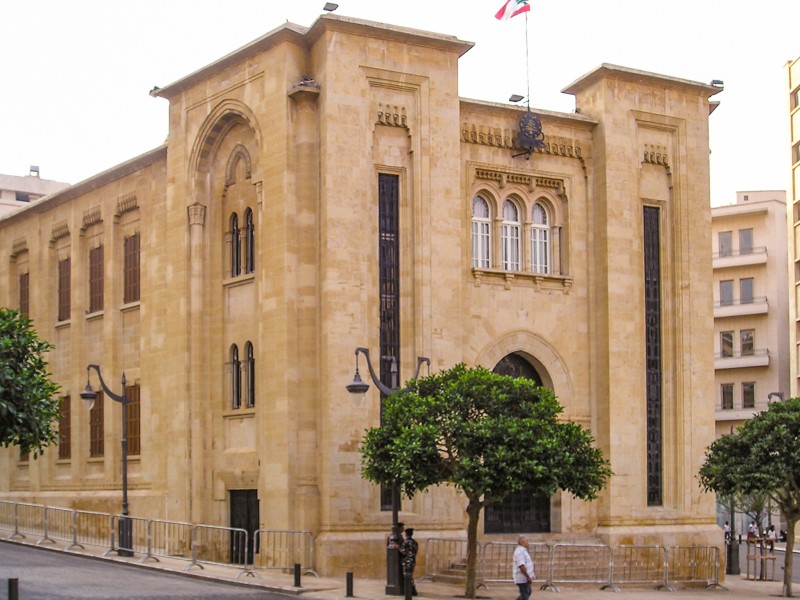
As Lebanese legislators prepare to take up discussions on a revamped media bill, advocacy organizations are pressing for guarantees that the final text will safeguard—not restrict—freedom of speech.
A coalition of 14 local and international groups issued a joint appeal on Tuesday, urging the removal of provisions that would criminalize defamation, blasphemy, and critiques of state officials. They also demanded a permanent ban on pretrial detention for speech-related infractions and the elimination of barriers to establishing media outlets.
The legislation, originally introduced in 2010 by a former lawmaker and the Beirut-based Maharat Foundation, has been in limbo for years. A revised version landed before the Administration and Justice Committee in May 2025, with parliamentary debates resuming in July. However, watchdogs argue the current draft undermines previous gains.
Under the proposed text, pretrial detention could be reinstated for media offenses “in aggravated circumstances, such as infringing on individuals’ dignity or private lives.” Critics describe this language as dangerously nebulous, risking arbitrary detentions and widespread self-censorship. Current Lebanese law bans such detention for media violations, applying it only to crimes carrying sentences of over one year.
Diana Moukalled, a Lebanese journalist and co-founder of Daraj Media, told a partner outlet that the “core worry is that the proposed amendments would reverse earlier progress on protecting free expression.” She added that the vague “aggravated circumstances” clause “opens the door to arbitrary arrests and self-censorship.”
The draft also includes a measure prohibiting outlets facing active legal complaints from publishing material about the complainant during proceedings. Observers warn this could muzzle journalists in a nation where defamation and insult statutes have historically been weaponized against government critics.
“The amendments aren’t an isolated dispute over legal language,” Moukalled noted. “They’re viewed by rights groups and many Lebanese as another front in a sustained effort to curb criticism and shield political elites, especially at a time of deep public anger over corruption and economic collapse.”
Organizations further criticized the closed-door nature of committee talks, which they say erodes confidence in the process. “There is a lack of trust in those who are supposed to draft progressive, fair media laws in Lebanon,” Moukalled said.
The collective statement urged lawmakers to “lift the secrecy shrouding discussions of the draft media law and reject suggestions that would further restrict the right to freedom of expression and media freedom, including pretrial detention and provisions that criminalize insult and defamation.”