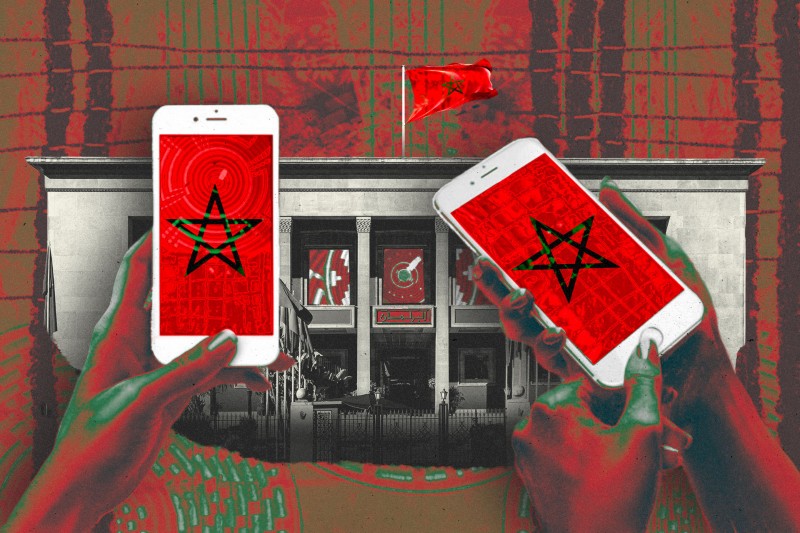
A former Moroccan intelligence officer has provided new details about how the kingdom’s security services allegedly used powerful surveillance software to monitor journalists and activists, challenging years of official denials.
The whistleblower, who used the pseudonym Safir for safety reasons, described a decade-long career at Morocco’s internal intelligence agency, the Directorate General for Territorial Surveillance. He explained how agents used the Israeli-developed Pegasus spyware to hack into phones without any action required from victims.
According to his testimony, a private company based in Rabat acted as a middleman between Moroccan authorities and the Israeli firm that created the software. This arrangement helped maintain official distance between the government and the spyware, leaving no direct paper trail. The intermediary firm, identified by reporters as FSSYS Maroc, handled equipment contracts and administrative matters, officials said.
The whistleblower detailed how intelligence officers would obtain unique identification numbers from targeted phones, which were then sent to a dedicated team for executing the hacking operations. This team forwarded the data to the intermediary or directly to the software company for infection, according to the account.
A second former intelligence source confirmed the use of an intermediary, saying it was deliberately structured to avoid creating documents linking the state to the surveillance program.
Technical experts noted that some elements of the described operation suggested a more complex approach than standard procedures. One method, known as network injection, requires specialized equipment installed within mobile networks to redirect victims to infection servers while they browse the web.
The revelations come after years of investigations into the spyware. In 2021, a major collaborative project revealed that the software had been deployed worldwide against journalists, activists, and politicians. Morocco was among the governments identified as having used the tool, though authorities have consistently denied these claims.
One journalist identified as a target was Omar Radi, who was later convicted on espionage charges in a case criticized by human rights groups for due process violations. He received a royal pardon earlier this year. Another activist, Maati Monjib, was also identified as a target and later imprisoned before being pardoned.
The whistleblower said the work took a psychological toll, even when targeting legitimate threats. The journalist Radi called for greater oversight, saying surveillance methods targeting those who pose no danger must stop, adding that more democracy and transparency in controlling such tools are needed.
The software company did not respond to requests for comment. Moroccan authorities also did not respond to inquiries.