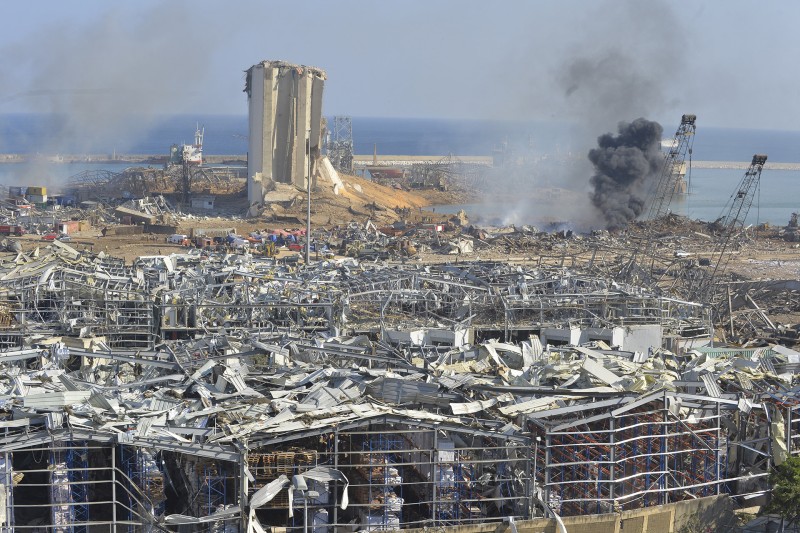
Newly obtained documents reveal that Lebanon’s naval forces failed to flag a massive shipment of ammonium nitrate aboard the MV Rhosus during a 2013 inspection, a full seven years before the chemical ignited a catastrophic explosion in Beirut, killing more than 200 people.
According to records acquired by investigative journalists, the Rhosus was marked for inspection by a United Nations maritime peacekeeping force when it approached Beirut’s port in November 2013. Lebanese naval personnel boarded the vessel and conducted a search, but their report made no mention of the volatile cargo. “The vessel was clear and nothing illegal was reported,” the navy stated in its official findings.
This inspection was notably absent from a detailed military report submitted to the Defense Ministry just five days after the August 2020 blast, which devastated large sections of the city and displaced hundreds of thousands. That four-page document, which outlined events from before the ship entered port waters, omitted any reference to the naval check.
Neither the office of President Joseph Aoun—who led the armed forces from 2017 until his election last year—nor military officials responded to requests for comment.
Human Rights Watch officials say the findings raise serious concerns about individual accountability, particularly among those who cleared the vessel to dock despite its hazardous load. “Authorities must explain why the army never reported this 2013 inspection,” said Lama Fakih, the group’s global program director. “It is time for accountability.”
Records show that on November 20, 2013, as the Rhosus entered Beirut’s waters, the UNIFIL Maritime Task Force flagged it as a “vessel of interest,” citing suspicious behavior or cargo. The ship’s cargo manifest indicated it carried 2,750 tons of high-density ammonium nitrate destined for an explosives company in Mozambique. Photographs of the bags showed clear hazard markings.
The ship itself was in poor condition, with previous inspections in June 2013 finding 17 defects, including hull corrosion and faulty navigation equipment. After docking, the vessel was eventually abandoned and impounded, with its dangerous cargo moved to a port warehouse in 2014. There it sat for six years while authorities debated who should handle its disposal.
Five days after the explosion, the army’s operations command sent a classified report to the Defense Ministry, signed by General Aoun. It provided a detailed timeline but never referenced the 2013 navy inspection or its clearance of the ship. The report did note that port authorities warned the army in 2014 that the ammonium nitrate was dangerous, but military officials refused to take responsibility, citing a lack of capacity.
Human Rights Watch previously found evidence of criminal negligence by multiple authorities in handling the explosive material. The investigation into the blast remains incomplete more than five years later, hampered by political interference, according to critics. An indictment is expected soon, Lebanon’s official press agency reported in early February.
“Victims and their families have waited too long for answers,” Fakih said. “Those responsible must be held accountable.”