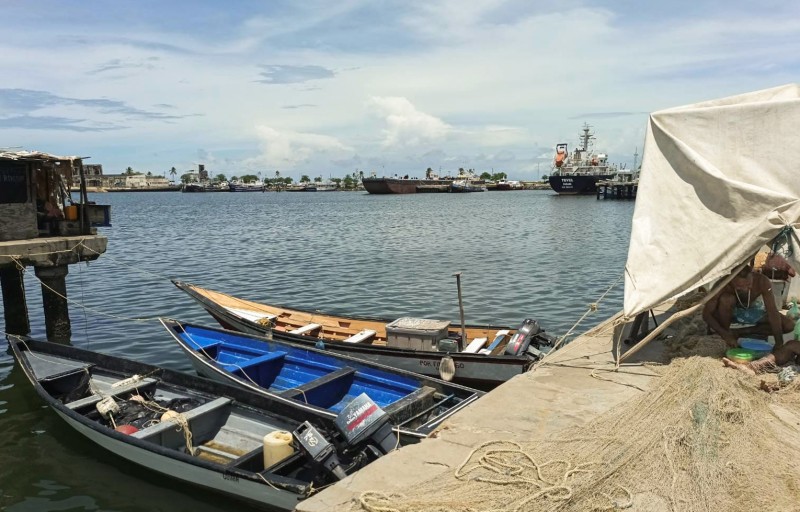
In the beleaguered fishing villages along Venezuela’s coastline, residents are caught between escalating U.S. military operations at sea and a tightening grip by local authorities. The situation has left families in anguish, with little clarity about the fate of loved ones who vanished during recent strikes.
One resident, identified only as Nadia to protect her safety, has been left without answers since her husband disappeared in early September. That month marked the beginning of a series of U.S. attacks on vessels suspected of drug trafficking, with over 20 strikes reported. While officials have framed these actions as a crackdown on narcoterrorism, critics argue they amount to unlawful killings. In one instance, survivors clinging to debris were reportedly targeted with a second missile, a move many legal experts say breaches international norms.
For those left behind, the controversy in Washington offers no solace. “No one gives me any answers,” Nadia said, her voice heavy with uncertainty. She declined to discuss her husband’s activities, simply stating he identified as a fisherman.
These communities have long contended with the influence of criminal networks that exploit the coastline for smuggling drugs and migrants. Now, they face an additional layer of pressure. Local residents report that security forces have intensified patrols, conducted searches, and made arrests in the wake of the attacks, fostering an atmosphere of fear. Many are reluctant to speak openly, worried about potential repercussions. “People are terrified of detention, of what might happen to them,” a community leader explained.
The government has been slow to address the situation, waiting months to announce any formal inquiry into the strikes and their victims. Officials have sought to project normalcy, with a recent statement assuring that fishermen continue their work without fear. Yet on the ground, the reality is starkly different.
The region’s economic decline has also played a role. Once sustained by a thriving fishing industry, towns like Güiria have seen that livelihood wither due to environmental bans and a devastating economic crisis. Fuel shortages and high costs have made it difficult for remaining fishermen to operate, leading many to abandon the trade. “There are hardly any young fishermen left,” one local noted.
This hardship has created fertile ground for illicit activities. In remote villages, residents recount sightings of unusual vessels equipped with multiple powerful engines, far beyond what typical fishing requires. Experts say these boats are ideal for transporting large quantities of cocaine, often destined for transit points like the Dominican Republic before reaching U.S. markets.
The absence of effective state oversight has allowed criminal groups to fill the void, sometimes acting as de facto authorities. “They would handle disputes, deliver punishments,” a fisherman said, describing a system of informal justice.
Meanwhile, questions persist about the government’s commitment to curbing the drug trade. While cocaine production has surged globally, Venezuela’s seizure statistics have remained static for years. Analysts suggest the regime’s anti-drug efforts may be undermined by corruption and a lack of transparency. “The real question is who is protecting these operations,” one former official remarked.
Retired U.S. enforcement agents have also criticized the recent strikes, dismissing them as ineffective. “These operations target low-level players struggling to survive. They won’t disrupt the broader trade,” one noted.
As international debates rage, the people of these coastal towns remain in limbo, grappling with loss, poverty, and uncertainty about what comes next.