Russian authorities have intercepted the largest cocaine shipment in the country’s history, a discovery that underscores a growing trend: Russia is becoming a key destination for drugs smuggled from Ecuador, the world’s top cocaine producer.
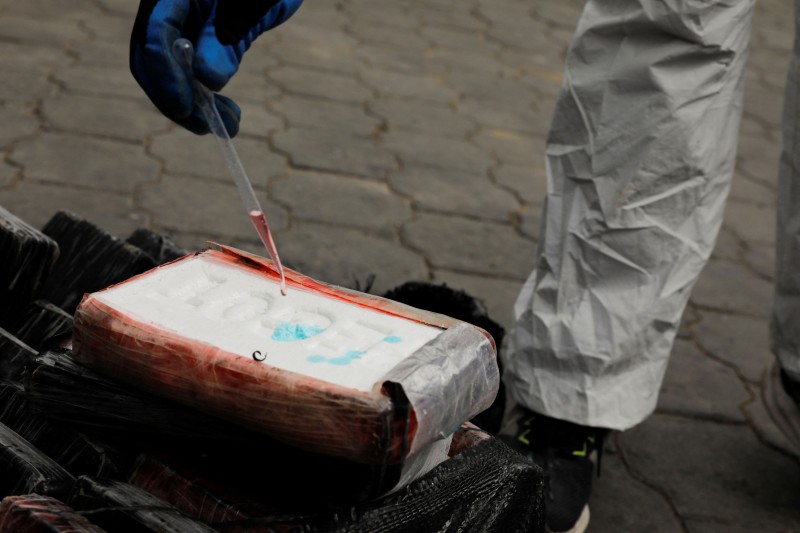
On September 19, the Federal Security Service announced the seizure of 1,515 kilograms of cocaine, packed in 1,500 bricks hidden inside banana crates. The shipment, originating from Ecuador, was destined for the Port of Saint Petersburg.
This bust aligns with a confidential intelligence report, which notes that drug traffickers are increasingly turning to Russia as they face tighter controls in Western Europe. The report from the International Center of Research and Analysis Against Maritime Drug Trafficking, a Colombian-led group, states that criminal networks are adapting by expanding into less regulated markets.
During the first half of 2024, more than seven metric tons of cocaine from Ecuador were confiscated in Russia, according to data from the same organization. While Mexico and Spain remain the primary destinations for Ecuadorian cocaine, Russia now ranks third, a shift confirmed by the World Customs Organization.
The WCO’s analysis of over 2,200 drug detections in shipping containers between 2023 and 2024 reveals a rising pattern of cocaine flows to Russia. Most of the drugs are concealed in banana shipments, with five metric tons seized in 2023 and 12 metric tons in 2024.
Ecuador holds the dual distinction of being the world’s largest exporter of both bananas and cocaine. The WCO report suggests that Russian organized crime groups are exploiting this trade to boost domestic consumption and stockpile drugs for eventual shipment to Western Europe.
Russia is the largest single buyer of Ecuadorian bananas, purchasing 1.5 million metric tons between 2024 and mid-2025, second only to the European Union. Bananas are a favored cover for drug smuggling, accounting for about 35% of containerized cargo where narcotics were found in the study period.
The record bust involved the vessel Cool Emerald, which departed from the Port of Guayaquil on August 10. The ship, flagged under Panama, reached Saint Petersburg 19 days later. The port has been flagged as high-risk for corruption in a 2024 EU security assessment, citing threats to port workers, including murders and kidnappings.