Ecuador’s financial authorities have frozen bank accounts belonging to indigenous communities and environmental organizations, citing anti-money-laundering regulations, during recent demonstrations against cuts to fuel subsidies and a new mining project, according to a human rights watchdog report.
Since mid-September, the country’s Financial and Economic Analysis Unit has directed banks to freeze accounts tied to several groups and their leaders, coinciding with widespread protests against President Daniel Noboa’s plan to end diesel subsidies and approve a mining operation in Azuay province.
The actions were taken under a law passed in August that lets authorities suspend financial access without a court order, provided they claim to possess credible evidence of suspicious activity. Courts review these decisions only after the freezes are already in place.
“Tools meant to combat money laundering should not be twisted to silence civil society or disrupt peaceful demonstrations,” said Juanita Goebertus, a regional director for the rights group. “These measures must target crime, not environmental activists.”
The report noted that courts have overturned at least some freezes after authorities failed to produce supporting documents. Affected groups reported that the actions crippled community programs, halted salaries, and stalled education and environmental projects, with many organizations learning of the freezes only when attempting to access funds or receive donor transfers.
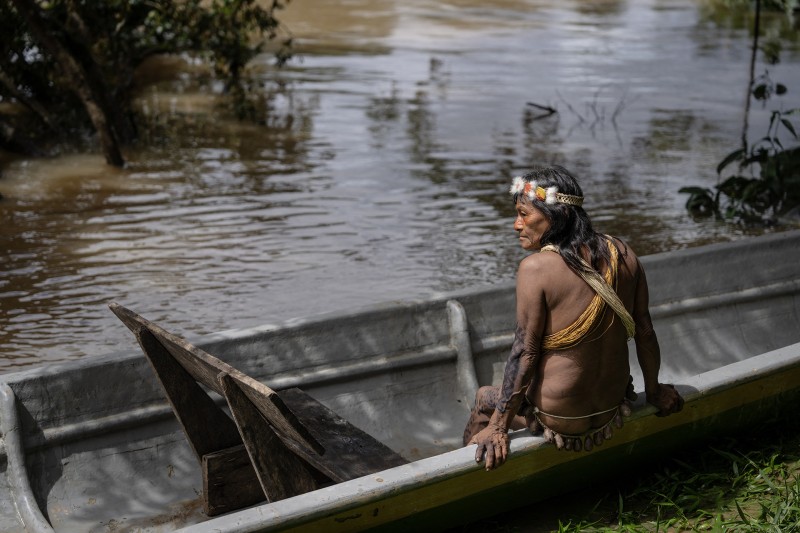
In early October, the financial agency froze three accounts belonging to Alianza Ceibo, an indigenous alliance representing several Amazonian communities, using intelligence reports. Funds from projects backed by international donors were blocked for weeks until a judge ordered their restoration in November, after authorities could not provide evidence.
Similarly, all 14 accounts linked to UDAPT, a group aiding Amazonian communities impacted by oil contamination, were frozen. A judge lifted the restrictions in early November, but the banking regulator only restored access after repeated judicial orders nearly two weeks later.
President Noboa has claimed the frozen funds were used to “destabilize” his administration, a charge the affected groups deny. During legal proceedings, officials from the financial agency and the National Intelligence Center refused to disclose information, citing a recently approved intelligence law that civil society groups have challenged before the Constitutional Court, arguing it undermines oversight.
The rights group said the freezes violate international guidelines from the Financial Action Task Force, which require that measures affecting nonprofit organizations be targeted, proportionate, and not disrupt legitimate work.
Several individuals whose accounts were eventually restored now face criminal investigations for alleged “unjustified enrichment” and “terrorism financing,” with cases opened around the time of the freezes.
“Prosecutors and judges must ensure these investigations follow due process, rely on credible evidence, and are not used to unfairly restrict the work of environmental and indigenous groups,” Goebertus added.