Two prominent Paraguayan financial institutions, Sudameris and Banco Continental, have extended $36 million in loans to companies controlled by Brazilian agribusiness figure Ulisses Rodrigues Teixeira, despite his prior admission of environmental crimes, according to documents obtained by investigative outlets.
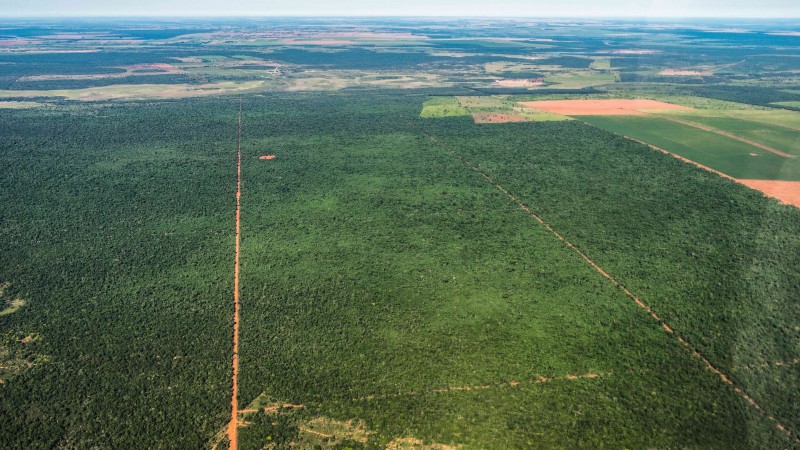
Teixeira, who pleaded guilty in 2022 to environmental offenses tied to a 2012 wildfire that ravaged 7,477 hectares of protected forest on his property, secured the financing after his conviction. The businessman acknowledged failing to implement a fire prevention plan, though he denied intentionally setting the blaze.
Both banks have publicly committed to sustainable financing and are founding members of a Paraguayan roundtable aimed at establishing environmental standards for the financial sector. However, the loans were backed by pledges of biodiverse land in eastern Paraguay’s Upper Paraná Atlantic Forest biome, a region home to endangered species like jaguars and woolly spider monkeys.
Sudameris first lent to one of Teixeira’s firms in 2008, but extended an additional $15 million after his 2022 plea deal. Banco Continental provided $21 million in 2024 to another company owned by the businessman. Neither bank commented on the loans’ purposes, citing confidentiality.
No evidence suggests Teixeira oversaw further deforestation on the pledged lands, which appeared cleared before the loans were issued. Still, environmental experts criticized the lending.
“Banks should not grant financing to anyone who has admitted environmental crimes or is linked to illegal deforestation,” said Alfredo Molinas, Paraguay’s former environment minister. “If they did, that credit must be cut off.”
The Dutch state-owned Entrepreneurial Development Bank (FMO), which has provided substantial loans to both Paraguayan institutions and holds a minority stake in Sudameris, stated it conducts rigorous due diligence and “does not accept any customer to engage in activities related to illegal deforestation.”
Paraguay’s zero-deforestation law, enacted in 2004, prohibits clearing native forests in the east, yet violations persist. The National Forest Institute has issued over $129,000 in fines to Teixeira’s companies for environmental damages since 2019, including deforestation and wetland destruction.
“By law, we can impose administrative sanctions—fines—but that’s all,” said INFONA President Cristina Goralewski, noting that complaints to prosecutors have yielded unclear outcomes.