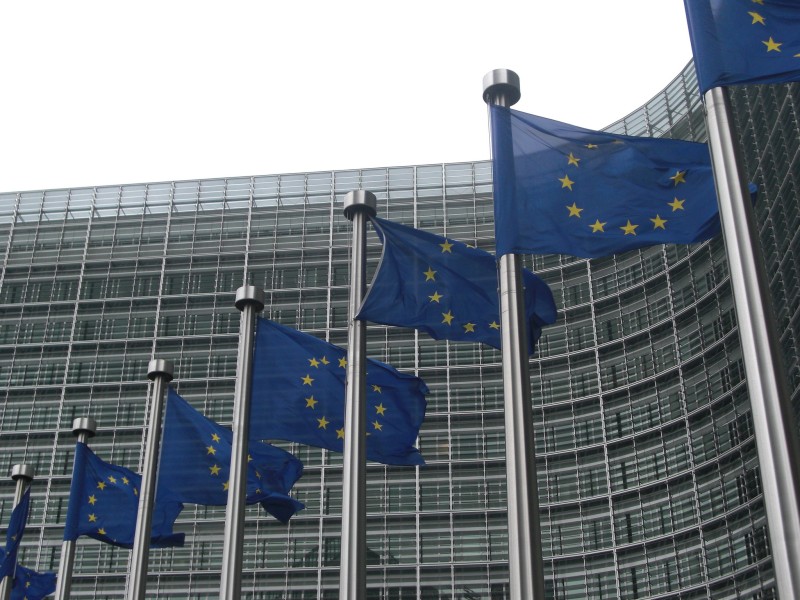
The European Commission has revised its list of countries deemed high-risk for money laundering, removing the United Arab Emirates while designating several new jurisdictions, including Monaco, Lebanon, and Venezuela. This regulatory shift, announced last week, has drawn scrutiny from European lawmakers.
Markus Ferber, a German member of the European Parliament’s economic committee, stated that lawmakers would now assess the evidence behind the Commission’s decisions. “We will examine the data and justification provided,” he said, adding that it is too soon to predict how the parliament will vote on the changes.
Under EU procedures, the new classification is not yet enforceable, and either the European Parliament or individual member states can formally object to halt the measure.
The Commission explained that the UAE—like Barbados, Gibraltar, Jamaica, Panama, the Philippines, Senegal, and Uganda—no longer requires enhanced EU oversight due to improvements in its anti-money laundering and counterterrorism financing frameworks. Meanwhile, Algeria, Angola, Côte d’Ivoire, Kenya, Laos, Lebanon, Monaco, Namibia, Nepal, and Venezuela have been added to the blacklist, which now spans 27 countries.
The EU action follows a February 2024 decision by the Financial Action Task Force to remove the UAE from its gray list. The Commission noted that the FATF, after an on-site visit, verified that all deficiencies in the UAE’s financial crime regime had been resolved. Brussels argues that the FATF’s action plan met EU delisting benchmarks.
However, the move has faced criticism. European lawmakers and advocacy groups previously argued that the Gulf state remains a global hub for illicit finance, citing investigations into property purchases by sanctioned individuals and criminals.
Monaco, which was added to the EU list, acknowledged the decision and said it is working to exit the FATF’s gray list. It noted that the EU designation could still be overturned by lawmakers.