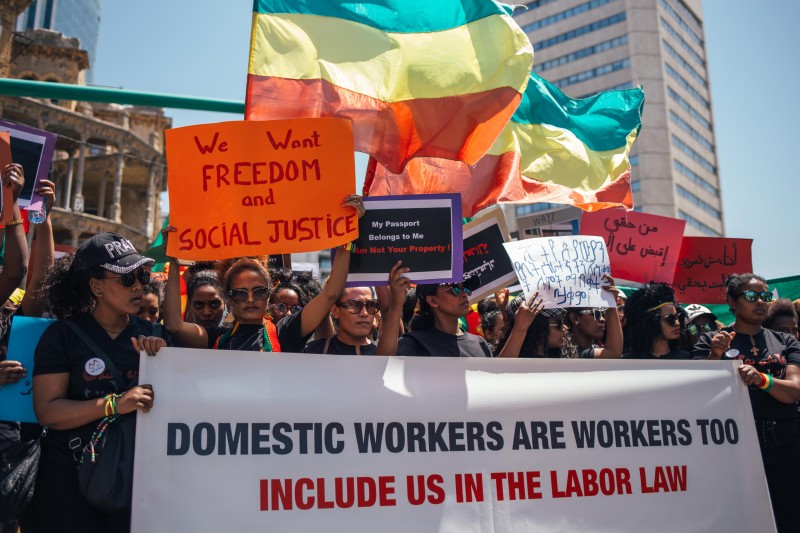
An estimated 176,500 migrant workers in Lebanon are enduring widespread abuse under the country’s kafala sponsorship system, according to a new report from Médecins Sans Frontières. The system, which ties workers’ legal status to their employers, is enabling violations ranging from verbal abuse and physical violence to psychological harm and sexual exploitation.
Migrant workers in Lebanon are excluded from labor protections that cover other employees, leaving them vulnerable to mistreatment by employers. The system “can rob them of their choices, rights, and even their voice,” the report states, based on cases treated at an MSF clinic in Bourj Hammoud, a northern suburb of Beirut.
Workers described not only abuse from employers but also discrimination in state-run facilities, such as hospitals denying treatment due to lack of legal documents or Lebanese citizenship. Around 70 percent of these workers are women, with many employed as domestic helpers from Ethiopia, Bangladesh, and Sudan.
One Ethiopian woman, using the alias Makdes, recounted surviving on scraps during her first job. “For the 15 days I spent in that house, I would wait until everyone was asleep to sneak some bread or an orange,” she said. Her second employer was even worse, slapping her hand while “teaching” tasks and intimidating her for entertainment.
The toll on mental health is severe. Psychiatric consultations at the Bourj Hammoud clinic doubled in 2024 compared to the prior year, according to MSF mental health supervisor Elsa Saikali. “Migrant workers are often dehumanised, subjected to racism and discrimination, and exposed to physical and sexual abuse,” she said. “All this has deep repercussions on their psychological wellbeing.”
Beyond health issues, many lack basic needs like shelter, food, and financial support, said MSF social worker Hanan Hamadi. The recent Israeli military campaign has deepened their hardship, leaving some homeless or trapped in homes targeted after their employers fled.
Despite the abuse, many migrants stay in Lebanon—even after escaping exploitative employers—because they have nowhere else to go or must support their families. Others cannot afford airfare or lack the documents to return home.