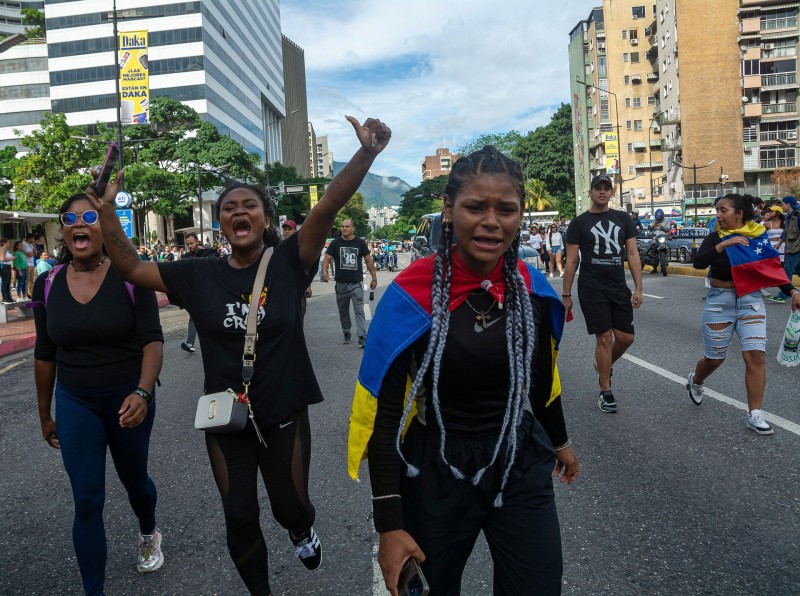
In the wake of widespread demonstrations against the contested July 28 election results, Venezuelan authorities have subjected dozens of teenagers to harsh legal proceedings, with many facing charges of terrorism and incitement. The cases have drawn international condemnation for alleged torture and denial of due process.
During a recent hearing on October 2, three adolescents aged 15 to 17 wept as a judge presented them with a stark choice: plead guilty to terrorism and incitement and receive a six-year sentence, or risk a decade in prison by going to trial. The teens, who had already reported beatings, electric shocks, and deprivation of food and medication while in custody, pleaded their innocence amid screams and sobs. Their mothers, who had hoped for their release, were left devastated.
The proceedings are part of a broader crackdown that has seen approximately 50 teenagers prosecuted across the country, often through online hearings where judges, lawyers, and families are separated by screens. Mothers have described presenting school records and character references only to have them ignored, while public defenders provided minimal advocacy. In one instance, a mother noted that the defense lasted barely two minutes and was barely audible.
The unrest that followed the disputed election resulted in at least 24 deaths, according to reports. Human rights organizations have documented what they describe as widespread abuses, including arbitrary detentions and killings. Venezuelan authorities have arrested over 2,400 people connected to the protests, many of whom remain incarcerated under harsh conditions where families must pay bribes for basic necessities like food and medical care.
Mothers have shared harrowing accounts of their children’s treatment. One woman reported her daughter was deprived of food for three days and forced to sleep on rocks, while another described her son’s electric shock burns and total body pain from beatings. The Organization of American States condemned the treatment of minors, citing reports of torture including electric shocks, beatings, and sexual abuse.
Government officials have defended their actions, with the attorney general denying the detention of “children” and dismissing allegations as “accusations of the extreme right.” Meanwhile, families continue to wait for their loved ones’ release. One mother decorated her son’s room with balloons and a welcome banner for his 16th birthday, celebrated in prison, though she has been unable to enter the room since learning of his continued detention.
The mothers, who have formed an informal support group, maintain their children’s innocence, insisting the charges are fabricated by a state desperate to maintain control. Despite repeated denials of their requests for medical examinations and legal rights, they refuse to abandon hope, bound together by shared trauma and determination.