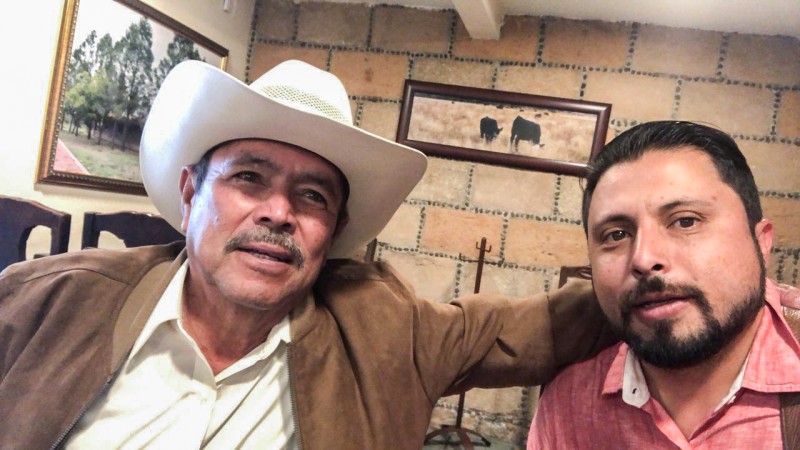
Last January, a 71-year-old Indigenous activist named Antonio Diaz vanished after a community gathering in western Mexico, along with his lawyer. Their bullet-riddled truck was discovered abandoned, but no trace of the men was ever found. The pair had spent years opposing the Las Encinas iron mine, which residents say has poisoned water sources and destroyed wildlife in the Sierra Costa mountains.
The mine is operated by Ternium, a Luxembourg-based steel giant listed on the New York Stock Exchange, with clients including Tesla and General Motors. Locals allege the mine enriches local cartels, which extort royalties from residents and profit from the operation. Those who speak out often face deadly consequences. Over recent years, at least seven people challenging Ternium’s mines have been kidnapped, killed, or forced to disappear.
Diaz had written to Mexico’s former president, accusing Ternium of hiring armed groups to suppress Indigenous communities. The company denies any involvement with violence or disappearances, stating it operates with “openness and respect.” ArcelorMittal, a partner in the mine, also claims to adhere to high human rights standards.
On the night of their disappearance, Diaz and Lagunes had shared good news with other activists: a court was expected to release funds owed by Ternium and allow new elections. They never reached home. A cartel member later told police he helped abduct them because they were “interfering with the mines.” He was killed before his trial.
The area is dominated by the Jalisco Nueva Generación Cartel, known for its extreme violence. Experts say businesses face a simple choice: pay protection fees or risk retaliation. The cartel’s control has turned mining into a high-risk enterprise, with illegal operations and extortion running rampant.
Diaz, born into poverty in the 1950s, had risen to become a teacher and administrator, but he never stopped fighting for his Nahua community. He once said he would give his life to defend his people. After his disappearance, the local election he fought for finally took place—but a former Ternium employee won.
Impunity for such crimes remains nearly absolute in Mexico, where thousands of disappearances go unpunished. Yet Diaz’s case drew international attention. Two suspects were charged, but legal delays have stalled progress. For now, his family and community remain without answers.