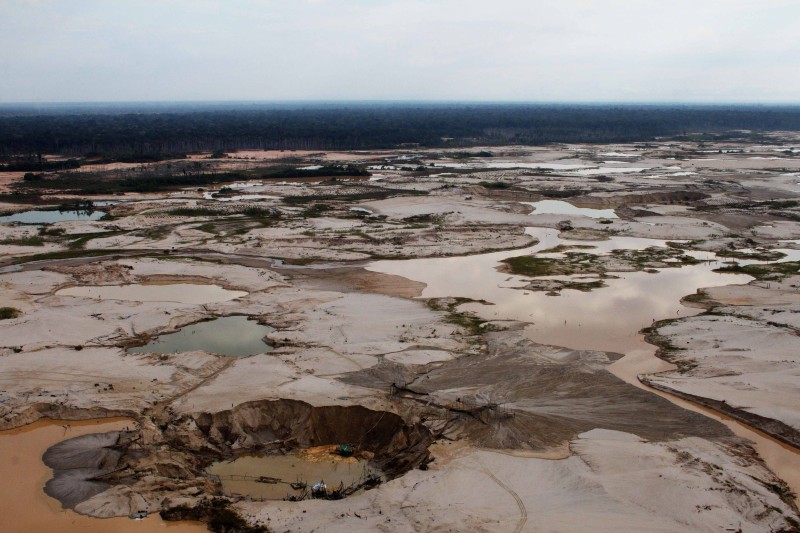
Global authorities face mounting difficulties in tying domestic financial crimes to the vast proceeds generated by illicit mining operations in the Amazon rainforest, according to experts. These criminal networks, which generate billions of dollars annually from illegally sourced gold, exploit fragmented investigative approaches that fail to connect environmental offenses with money laundering and corruption.
A recent analysis of environmental crime cases in the Amazon region reveals that only about one-third triggered parallel financial probes. This disconnect stems from the fact that different agencies typically handle environmental, financial, drug, and corruption cases separately, while organized crime groups increasingly diversify their operations across multiple illegal activities.
Illegal mining, especially gold extraction, dominates environmental crime in the Amazon, far surpassing wildlife trafficking or illegal timber trade. Criminals carefully design smuggling routes to avoid detection, often by bribing officials to falsify permits or certifications that make illegal gold appear legitimate.
Two notable cases highlight the scale of these operations. In the “Los Quilates” route, corrupt officials in Colombia helped couriers smuggle gold bars through major airports by returning the metal after security checks. Authorities arrested eight suspects and seized around $15 million in assets. Another scheme, involving a trading company, allegedly laundered over $542 million over a decade through a network of front companies and fake suppliers.
The United States emerges as the primary destination for both illegally sourced natural resources and the associated dirty money. Experts point to significant gaps in U.S. oversight, echoing concerns from Treasury officials that the country remains a safe haven for illicit funds. The sheer number of laundering methods—document forgery, bribery, shell companies, and complicit brokers—makes detection difficult.
Analysts stress that remote Amazon mining sites, lacking government presence, enable severe human rights abuses, including forced labor and violence against indigenous communities. To combat these crimes, recommendations include stronger international cooperation, better identification of beneficial owners behind shell companies, and enhanced corporate transparency.
Recent legislative steps, such as the U.S. Corporate Transparency Act, aim to curb misuse of corporate structures for money laundering. Yet experts argue that traditional investigative methods remain insufficient. Authorities often stop at seizing commodities and arresting low-level operatives, missing the broader networks that wield real power.
“Only recently has there been a stronger push to follow the money and trace it back to those with influence,” one analyst noted. “That’s where lasting impact can be made.”