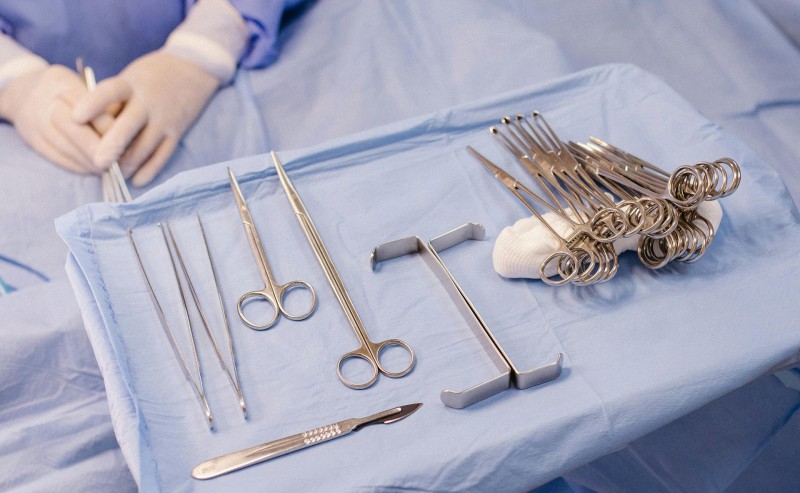
A captured Ukrainian serviceman endured a horrific act of mutilation while undergoing medical treatment in a facility under Russian control in eastern Ukraine.
Andriy Pereverziev, a soldier taken prisoner by Russian forces after sustaining severe combat injuries, reported that following an operation at a hospital in the Russian-occupied city of Donetsk, he awoke to find the words “Glory to Russia” and the letter Z, a pro-Russian war symbol, burned into his abdomen.
Ukrainian prosecutors have opened a war crimes investigation into this incident.
Digging deeper, investigative journalists have revealed that the hospital was heavily staffed by personnel openly supportive of Moscow’s war effort. Many employees posted pro-war content on social media, and some doctors had received Russian passports and joined President Vladimir Putin’s political party.
One Russian trauma surgeon who volunteered at the facility admitted he struggled with the idea of treating Ukrainian prisoners, stating he felt conflicted about providing care to someone he viewed as an enemy. The hospital also hosted visits from Russian politicians and a volunteer doctors group, including two surgeons present when Pereverziev was marked.
It remains unclear who performed the branding during the operation. One of the volunteer surgeons denied involvement, saying his role was only advisory. Another could not be contacted.
Evidence, including social media posts, travel records, and a calendar photo, suggests those surgeons were in Donetsk on the day the branding purportedly occurred.
Pereverziev was captured after a battle, where he claims he was beaten and interrogated before surgery. He was later returned to Ukraine in a May 2025 prisoner exchange. He only discovered the scars a week after the operation, describing the shock as driving him “crazy.”
Doctors have noted the burn marks were consistent with an electrosurgical tool used to cut and seal tissue.
Investigators confirmed Pereverziev was treated at a hospital long known locally as the Republican Clinical Hospital, which Russian authorities had renamed from its former Ukrainian title. Staff at another facility where he was later treated remarked that his surgery had been performed by a Russian doctor.
The hospital’s leadership history includes figures linked to pro-Russian political factions in Ukraine, with its former director being an ally of the ousted pro-Kremlin president.
Pereverziev’s case gained global attention after images of his injuries surfaced, with Ukrainian officials verifying their authenticity and initiating efforts to remove the scars.
This incident is part of a troubling pattern of alleged medical abuses against Ukrainian captives, with earlier reports identifying a Russian prison medic accused of brutal behavior by former detainees.