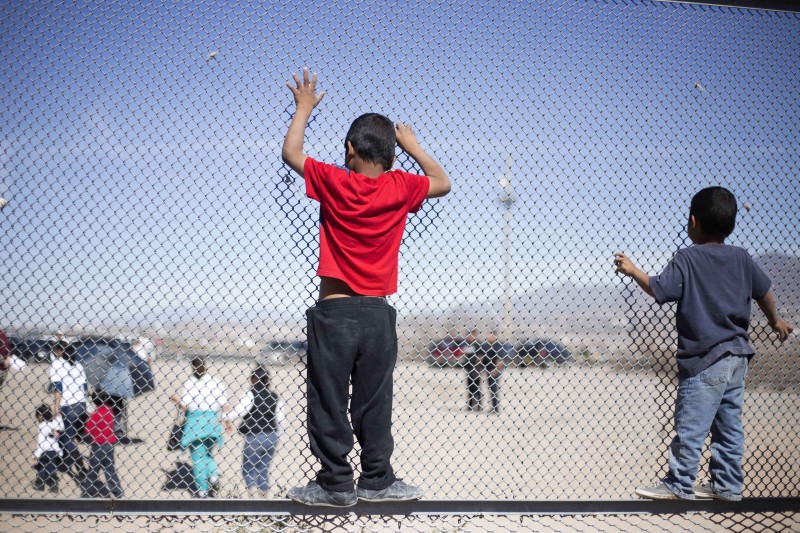
A newly released study reveals that children traveling through Mexico’s border cities are enduring severe violence, family breakdowns, and profound uncertainty, as they flee danger and hardship in their home countries.
The report, based on 155 interviews conducted from November 2024 to February 2025 with children aged 7 to 16 and their guardians, focuses on three major transit points: Ciudad Juárez, Reynosa, and Tijuana. Most of the young migrants hailed from Mexico, Honduras, Venezuela, Colombia, and Guatemala, though some originated from as far away as Afghanistan and Haiti.
Reasons for leaving home varied widely. About 35 percent of children said they were seeking to reunite with family members. Another 21 percent fled criminal violence, while nearly 12 percent cited direct threats or community conflicts.
The number of unaccompanied minors traveling through Mexico has nearly doubled over five years, jumping from 69,500 in 2019 to more than 137,000 in 2023. This surge is driven by rising insecurity, poverty, and climate-related displacement across Latin America and beyond.
Many children start their journeys with a parent or guardian, but separation is common. In Ciudad Juárez, nearly two-thirds left home accompanied, yet only about one-third arrived in Mexico with someone by their side.
Unaccompanied children, particularly girls, face heightened risks of sexual and gender-based violence, exploitation, trafficking, and forced recruitment by armed groups. Their struggles persist even after reaching Mexico’s northern border, where many are confined for months in overcrowded shelters due to fears of kidnapping.
Tighter Mexican immigration policies and increased border militarization have pushed families onto dangerous, irregular routes controlled by criminal networks. These paths are notorious for trafficking, express kidnappings, and other violent crimes.
“Organized crime has many ways of finding and grabbing you. There are many areas where it’s hard to run away if you’re trying to escape,” a 16-year-old unaccompanied boy told researchers.
“No child should find themselves in this situation, especially after enduring such a perilous journey to find safety,” said the CEO of one international aid organization. “They need support now – including protection, access to safe shelter, education, and mental health care. We are seeing families so desperate that children are being forced to consider returning to the very places they fled from. That should never be their only option.”
These findings echo a 2023 United Nations warning about a growing child migration crisis in Latin America and the Caribbean. In the first eight months of that year, more than 60,000 children—half under age five—crossed the treacherous Darién Gap between Colombia and Panama, marking the highest number of child migrants ever to traverse that region in a single year.