Two grassroots organizations in the Democratic Republic of Congo have taken legal steps in the United States against a Texas-based energy company that secured rights to extract methane from Lake Kivu. The action aims to gather evidence for a potential lawsuit challenging the government’s handling of the concession.
The groups, which focus on environmental and human rights issues, filed a discovery petition in a Houston federal court against Winds Exploration and Production LLC and its chief executive, Franklin Ihekwoaba. They argue the bidding process was marred by irregularities, including a lack of public oversight and failure to conduct proper environmental assessments before awarding the blocks.
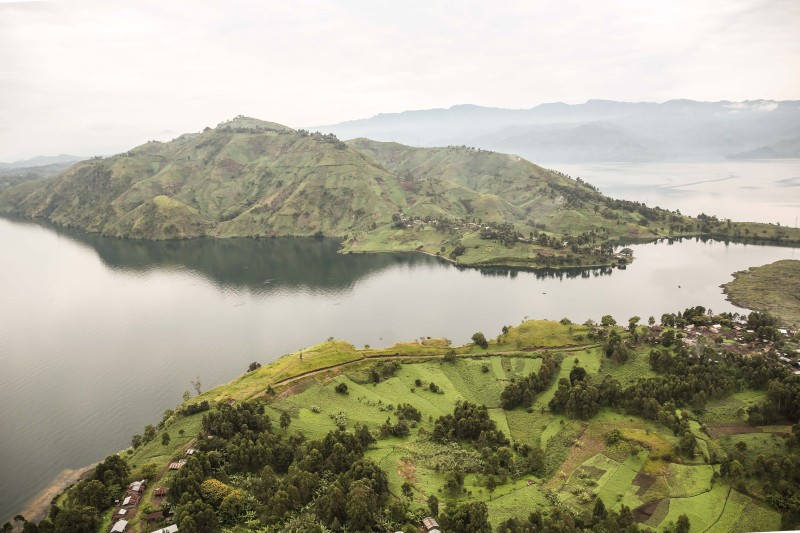
Lake Kivu, straddling the border between Congo and Rwanda, holds vast reserves of dissolved methane and carbon dioxide in its deep waters. Scientists warn that uncontrolled extraction could trigger a catastrophic limnic eruption—a rare event where gas surges from the lake, suffocating nearby populations. While only two such incidents have been recorded, both in small Cameroonian lakes during the 1980s, Lake Kivu contains far more gas, raising the stakes for any mismanagement.
The controversy dates to 2022, when Kinshasa auctioned 30 oil and gas concessions. After widespread criticism over corruption fears and environmental risks, the government canceled 27 oil blocks but left the three gas awards intact. Winds secured one of these blocks despite its checkered track record. In Utah, reports of explosions and leaks at its gas field prompted authorities to plug its wells earlier this year. Additionally, Texas revoked the company’s operating certificate in 2023 over alleged tax violations, though Ihekwoaba maintains this was a procedural issue.
Another winning bidder, Alfajiri Energy Corporation, faces scrutiny after reports emerged that its evaluation scores were altered during the bidding process. A third company, RED, has yet to finalize a production-sharing agreement with the government.
The Congolese groups plan to challenge all three concessions, calling for greater transparency and community involvement. “Our aim is to ensure natural resources are managed in a way that benefits the people and protects the environment,” said the head of one group. “This is about correcting past errors and building a more inclusive approach for the future.”