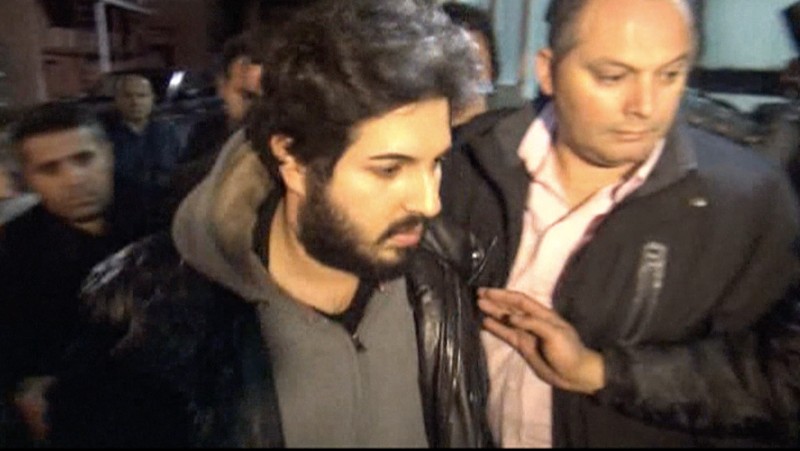
A New York federal judge has allowed Reza Zarrab, a financier convicted in a sanctions-busting scheme, to avoid prison time following years of collaboration with American authorities.
The ruling, issued Tuesday by U.S. District Judge Richard M. Berman, comes more than eight years after Zarrab admitted guilt in a conspiracy to bypass U.S. economic restrictions against Iran. His legal team argued in court filings that since his 2017 plea, he had served as a key witness against Turkiye Halk Bankasi, a Turkish financial institution known as Halkbank.
The judge waived any financial forfeiture after defense attorneys claimed Zarrab’s personal wealth had fallen to negative $50 million. Federal prosecutors had recommended a lenient sentence without specifying a term, signaling acceptance of time already served.
Dressed formally, Zarrab expressed gratitude to the court and acknowledged the protection provided by U.S. authorities.
The case had sparked diplomatic tensions between Washington and Ankara. According to court documents, Zarrab’s cooperation came at a steep price, including loss of family ties, his nationality, and hundreds of millions of dollars in assets belonging to both him and relatives. The filings also noted threats to his life.
Arrested by the FBI in 2016 following a 2015 indictment, Zarrab pleaded guilty the next year. His testimony helped convict Mehmet Hakan Atilla, a Halkbank executive, for facilitating Iranian evasion of U.S. financial sanctions. In 2019, Halkbank itself faced federal charges for fraud and money laundering.
However, the Trump administration abruptly agreed last month to drop all charges against the Turkish bank, reaching a deferred prosecution deal that required Halkbank’s cooperation in potential future cases against Zarrab.
Zarrab’s defense argued this clause endangered his safety, citing threats from Iranian and Turkish entities. They noted Turkish authorities had already seized family assets in retaliation for his testimony, pushing his net worth to a negative $51 million. He had previously forfeited a boat worth $288,000 and over $88,000 in cash.
Prosecutors acknowledged Zarrab’s value as a witness, stating his firsthand knowledge of the elaborate money-laundering system aided the jury, though evidence against co-defendants had been gathered independently. They noted he faced significant retaliation for his cooperation.
Born in Iran but raised in Turkey, Zarrab entered the currency exchange business in Dubai. Authorities detailed how he laundered proceeds from Iranian oil sales through Turkish deposits used to purchase gold, which was exported to Dubai and sold, with funds returned to Turkish accounts tied to Iran.
During detention, Zarrab attempted to bribe a guard for a cellphone and alcohol, leading to his transfer to FBI custody after learning another inmate had been contracted to kill him.
A 2021 investigation revealed Zarrab remained linked to his former criminal network, receiving suspicious wire transfers from Turkey while using fake identities to invest in racehorses and a Florida equestrian facility. Earlier, he was featured in the FinCEN Files, which suggested he had bribed the Iranian president and laundered money from Chinese oil buyers.