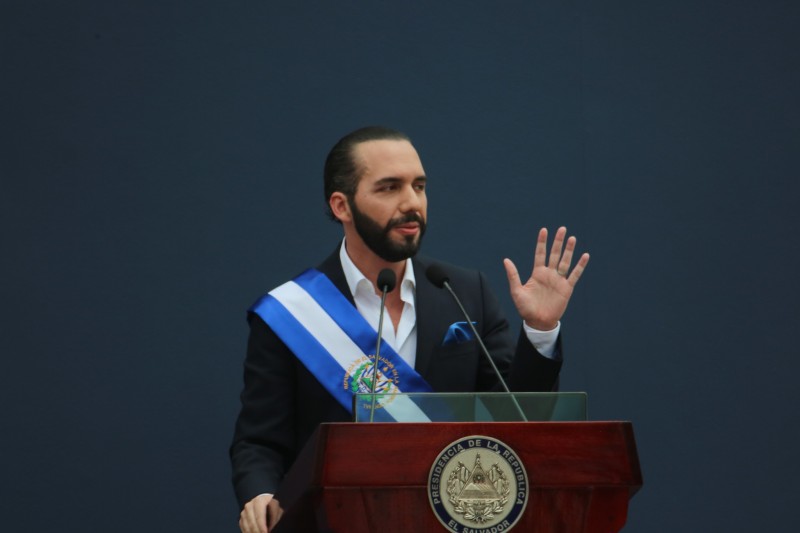
A Salvadoran news outlet has pushed back against verbal attacks from President Nayib Bukele, who accused it of manipulating documents related to a controversial food aid contract during the COVID-19 pandemic. The outlet, El Faro, had identified a person tied to an offshore company that won a deal to supply emergency milk powder. A government audit found the company had overcharged by seven million dollars.
The controversy began when El Faro shared an image of a purchase order for the milk powder on X, but in a low resolution that made the date appear as 2000—two decades before the actual contract. After El Faro later posted a clearer version showing the date 2020, Bukele claimed the document had been “blatantly manipulated.” He described the journalists as “activists of disinformation” in a post on X.
The purchase agreement came from a congressional investigation into pandemic contract irregularities. People familiar with the evidence confirmed its authenticity after El Faro obtained it. Trade data from both El Salvador and Mexico backed up the details in the agreement, including shipment timing, value, and the offshore firm’s identity.
The agreement was signed by former agriculture minister Pablo Anliker, who also criticized El Faro based on the blurry document. While Bukele and Anliker focused on the date confusion, they did not address the core findings of the probe.
In a statement, El Faro said the government should release public information about the multi-million-dollar contract instead of leveling false accusations. The outlet added that Bukele and his officials have steadily defamed the press since he took office.
Reporters Without Borders noted an “intimidating climate” under Bukele, pointing to over 80 attacks on press freedoms during February elections that secured him a second term. Bukele won decisively, with many voters citing improved security after a crackdown on violent gangs. But critics have condemned human rights abuses under a “state of exception” that has suspended civil liberties for two and a half years.
In May, 84 rights groups condemned the treatment of over 80,000 detainees held without access to lawyers or family, including political rivals. Bukele defended his approach in a recent interview, saying 85 percent of gang members are now jailed, and he hopes to lift the emergency measures soon.