For the first time, the European Union has imposed broad sanctions on Kyrgyzstan, targeting the Central Asian nation over its role in funneling critical technology to Russia. The move, part of the bloc’s 20th sanctions package against Moscow, bans the export of computer numerical control machines and radio equipment to Kyrgyzstan.
European officials pointed to trade data showing a sharp rise in re-exports of these high-priority goods, warning they likely end up in Russia for use in manufacturing missiles and drones for the war in Ukraine. Unlike previous measures limited to specific companies or banks, these new restrictions hit the entire country.
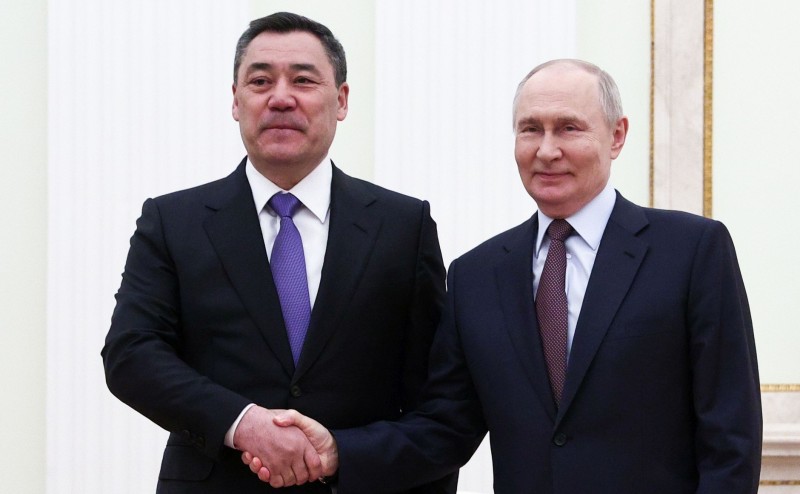
The EU stated that despite talks with Kyrgyz authorities, the government had failed to curb the flow of restricted items. Kyrgyz officials did not immediately respond to the embargo. Notably, on the same day, Kyrgyz President Sadyr Japarov made an unannounced trip to Moscow for talks with Russian President Vladimir Putin, though the Kremlin did not disclose the agenda.
Kremlin spokesman Dmitry Peskov defended Kyrgyzstan’s trade with Russia, saying it was driven by economic self-interest, not loyalty. He argued that sanctions punished Bishkek for pursuing its own advantages.
This marks a fresh blow in Western efforts to tighten the net around Russia. Just a day earlier, British lawmakers called for sanctions on three top Kyrgyz officials, accusing them of allowing a ruble-backed cryptocurrency, A7A5, to operate as a financial loophole for Russian entities. In October 2025, the EU blacklisted two Kyrgyz banks and a crypto exchange, while the UK previously sanctioned two state-linked banks.