The European Parliament has approved a non-binding resolution urging a complete halt to alumina shipments to Russia, intensifying scrutiny on Ireland and other EU nations over what critics view as a sanctions loophole.
During a session in Strasbourg on Wednesday, lawmakers adopted the measure by a show of hands, calling for stronger EU measures against Moscow, including a total prohibition on alumina exports. The broader resolution on Ukraine and sanctions passed decisively, with 460 votes in favor, 136 against, and 59 abstentions.
While the vote lacks legal force—EU sanctions require unanimous approval from all 27 member states and are proposed by the High Representative for Foreign Affairs—it adds political momentum ahead of future discussions. Alumina exports were notably excluded from the EU’s most recent sanctions package.
Dutch lawmaker Thijs Reuten, a co-author of the amendment, stated the decision reflects a European consensus that all nations must contribute and applies pressure on member states to set aside short-term domestic interests. He emphasized that sanctions are adopted not for their ease or benefit to Europe, but because they are necessary and just.
Reuten asserted that alumina exports to Russia, particularly from a company owned by an oligarch with Kremlin ties, directly support Moscow’s war effort. He highlighted that Ireland ranks as the third-largest exporter of alumina to Russia, with Aughinish being the sole Irish supplier. Halting this raw material flow would create challenges for Russia’s war economy, he argued.
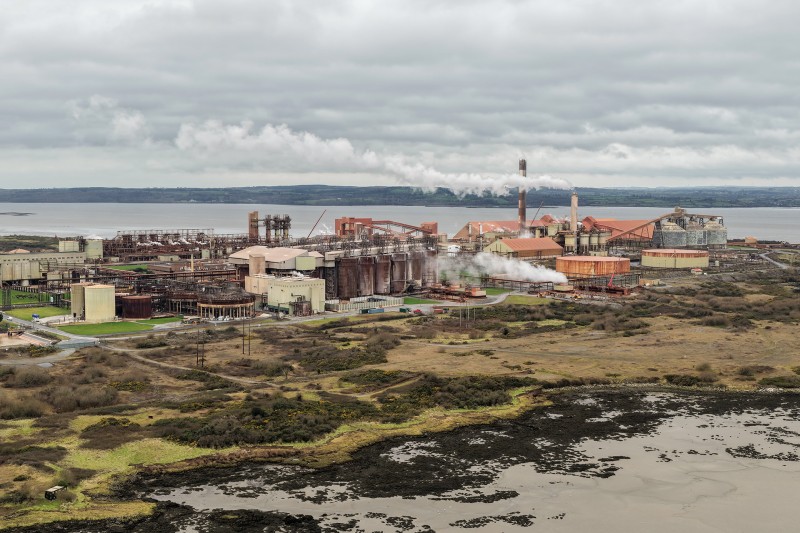
The debate centers on Aughinish Alumina, Europe’s largest alumina refinery, located in County Limerick and owned by Russian firm Rusal. Leaked data revealed that since 2023, over half of Aughinish’s alumina exports have gone to Rusal-owned smelters in Russia, which feed into supply chains for sanctioned Russian weapons manufacturers.
Although investigators could not trace specific alumina batches to individual weapons due to mixing during smelting, smelters receiving Irish alumina sold over $650 million worth of aluminum to a Moscow-based trader that supplied more than 40 EU-sanctioned Russian arms companies. These exports remain legal under current EU rules, which restrict Russian aluminum imports but not alumina exports.
The vote exposed divisions among Irish representatives. Fine Gael’s four lawmakers supported the ban, while Fianna Fáil’s four abstained. Fine Gael leader Seán Kelly backed the wider motion, advocating for increased pressure on Russia through structural sanctions. He welcomed an Irish government investigation into Aughinish and stressed the need to ensure the plant’s viability and protect its workforce.
Fianna Fáil’s Barry Andrews, who abstained, expressed support for ending alumina trade with Russia but criticized the amendments as overly blunt, failing to adequately consider risks to European aluminum supply chains. He noted it is highly likely that Irish alumina is used in Russian military production and urged Dublin to work with EU partners to halt these exports.
Pressure on Ireland has mounted, with Ukrainian President Volodymyr Zelenskyy raising the issue during his recent Dublin visit, calling for a swift and transparent investigation. Irish Prime Minister Micheál Martin stated the probe is near completion and that findings will be discussed with the European Commission. Aughinish has maintained it complies with all EU laws and denied that its alumina ends up in Russian weapons.
The European Parliament’s call follows earlier discussions in May, when lawmakers pressed the Commission to consider alumina export restrictions after investigative reports.