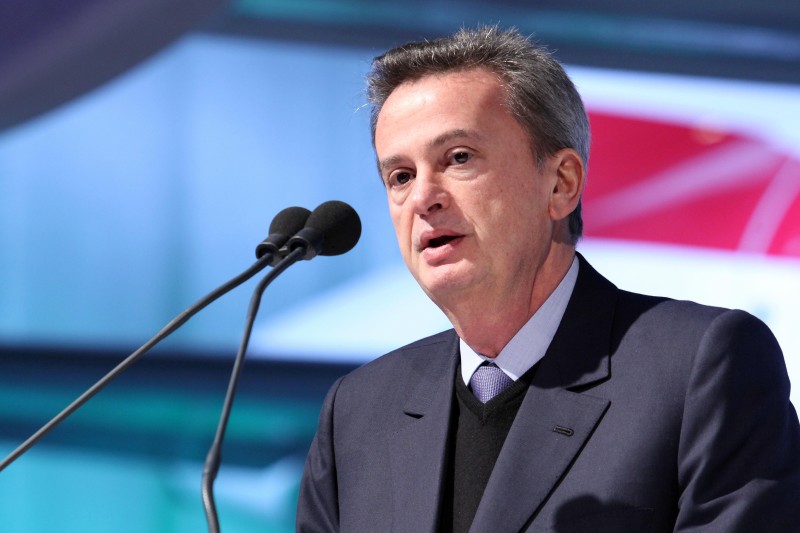
A Lebanese judge has ordered former central bank governor Riad Salame to stand trial for embezzling $44 million and illicit enrichment, marking the first domestic prosecution of the once-powerful financier. While anti-graft activists applaud the move as a breakthrough, critics question whether the narrow scope of charges will deliver meaningful accountability.
Salame, who led Lebanon’s central bank for 30 years until his resignation in July 2023, now confronts legal proceedings at home alongside ongoing investigations in France, Germany, Switzerland, Luxembourg, and Liechtenstein. European authorities accuse him and associates of laundering hundreds of millions through offshore accounts and luxury properties. Salame has consistently denied any wrongdoing, attributing his wealth to past employment and personal savings.
The referral represents “a long-overdue step toward justice,” said Chanez Mensous of the French anti-corruption organization Sherpa. She noted the case could strengthen legal cooperation with Europe and potentially facilitate repatriation of stolen public funds under France’s 2023 asset return mechanism. That law allows confiscated assets to be sold and proceeds channeled back to affected communities in Lebanon.
But financial experts warn that the indictment covers only $44 million allegedly siphoned through a consulting scheme, leaving $67 million in questionable commissions identified by auditors Alvarez & Marsal unaddressed. Attorney Karim Daher questioned why the remaining sum was ignored, noting that a conviction for the lesser amount carries a maximum seven-year prison term.
Judge Ghada Aoun clarified that the Beirut charges focus solely on two transactions directly tied to Salame, while the broader network behind the missing funds remains under investigation.
Salame’s office dismissed the case as “legally flawed” and politically motivated, arguing he is being scapegoated for Lebanon’s economic collapse. Economics professor Walid Marrouch of Lebanese American University acknowledged this narrative taps into debates about shared responsibility for systemic failures, but emphasized that the court must weigh both the embezzlement charges and Salame’s monetary policies, which many blame for the financial crisis. “A public trial over his policies may ultimately damage his legacy more than the corruption allegations themselves,” Marrouch said.