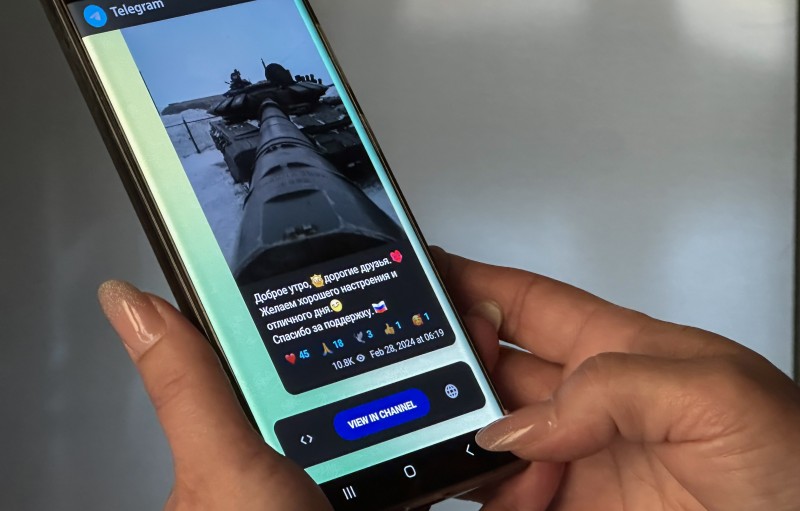
A recent investigation has uncovered a disturbing trend in which ordinary Russians, including teenagers, hundreds of miles from the front lines are turning graphic war footage from Ukraine into a money-making operation. These Telegram channels, which broadcast videos of executions and mutilated bodies, have evolved into a lucrative digital industry driven by civilians and minors.
The probe, conducted by an independent Russian outlet, examined over 50 channels focused on war snuff. Administrators attract tens of thousands of subscribers by monetizing extreme violence through advertising, cross-promotion, donations, and paid access to uncensored material. Far from being run by soldiers, these networks are largely managed by opportunists far from the battlefield.
One example highlighted was a Telegram channel called “Video 18+,” which gathered nearly 40,000 followers. Its founder, Vladimir Grebennikov, a 36-year-old refractory worker at a Volgograd aluminum plant, was identified. Based on posting volume and audience size, the operation might generate around 200,000 rubles monthly from ads—a substantial income in provincial Russia. By early 2026, Grebennikov had sold the channel, citing burnout from handling the constant stream of gore.
The investigation uncovered a troubling age trend among administrators. One major snuff channel with nearly 110,000 subscribers listed teenagers as its ad contacts. Denis Bogolyubov, now 19, managed ad sales for the channel in 2023 when he was just 16. Another minor, Artem Prigodin from the Arkhangelsk region, was linked to selling ads for graphic “18+” channels while still underage. Separately, 18-year-old Artem Filippov from Kaluga founded his own graphic channel, which he likely launched at age 15.
Investigators found at least four other administrators aged 15 or younger. One 14-year-old schoolboy from Abakan heavily used Russian military imagery on his accounts and had applied to join Yunarmiya, the Kremlin-backed patriotic youth movement.
Monetization tactics extend beyond ads. Some channels openly ask audiences for funds to pay for exclusive violent content. In one case, an administrator sought donations to buy footage of a wounded Ukrainian soldier being executed, later thanking a subscriber for funding the Russian fighter who provided the video.
While these channels profit from gore, human rights advocates note they inadvertently serve another purpose: the vast trove of graphic material could become critical evidence in future war crimes prosecutions.