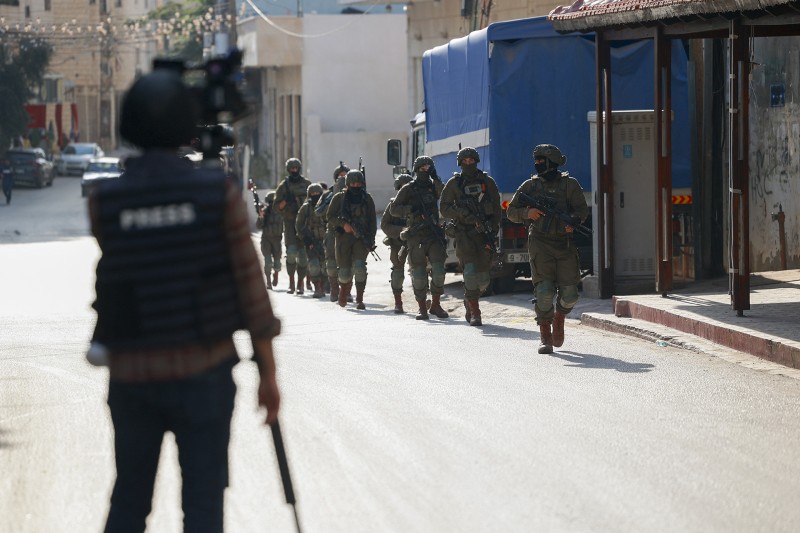
In the midst of conflict, a new frontline has emerged in Gaza: the battle against disinformation. Palestinian journalists are risking their lives to verify facts about the war through a groundbreaking initiative aimed at countering false narratives flooding social media.
Zarifa Hassan, a 24-year-old journalist, saw her university destroyed by Israeli forces at the outbreak of the war in late 2023, yet she continued her studies and earned her degree. Now, she works under extreme conditions to ensure global media get accurate information.
Hassan is part of a network established by the Arab Fact-Checkers Network, which connects local fact-checkers with international outlets. This project was launched to address the surge of misleading content that emerged after the conflict escalated.
“I think what I do truly matters,” she said. “At the beginning, we saw many photos taken out of context, fueling a wave of lies online.”
To confirm the authenticity of images and clips, she often walks long distances to speak with eyewitnesses and cross-checks details against satellite maps. She does this while facing severe hunger, unreliable electricity, and constant danger.
Since the war began, over 200 media workers in Gaza have been killed, and many media facilities have been targeted, according to press freedom watchdogs. Journalists also report intimidation from both sides of the conflict.
Even after a U.S.-brokered ceasefire took effect last October, Hamas and Israel have failed to fully abide by it, with routine attacks continuing, according to the United Nations. More than 700 Palestinians have been killed just since that agreement was signed.
The fact-checking network has grown to include hundreds of fact-checkers from 16 countries, collaborating through a digital platform that connects them to 62 foreign media outlets. They have processed more than 3,000 verification requests, exposing manipulated videos and fake claims, including allegations that Palestinians were faking injuries using old drama series footage.
The manager of the network noted that many false stories now rely on AI-generated images, making verification even harder. “We spent countless hours checking details with sources on the ground, but often the internet was down,” she said.
Hassan began her journalism career years before the current war, covering protests along the Gaza border where demonstrators were met with live fire. Now focused on fact-checking, she believes outside media often fail to provide crucial context, which feeds misinformation.
“International reporters need to explain the full picture,” she said. “Some facts are correct, but they’re presented in a way that misleads.”
Despite offers to study abroad, Hassan insists on staying in Gaza. With Israel blocking independent journalists from entering the territory, she considers her work vital for documenting human rights abuses.
“As a journalist, I have to remain here,” she said.