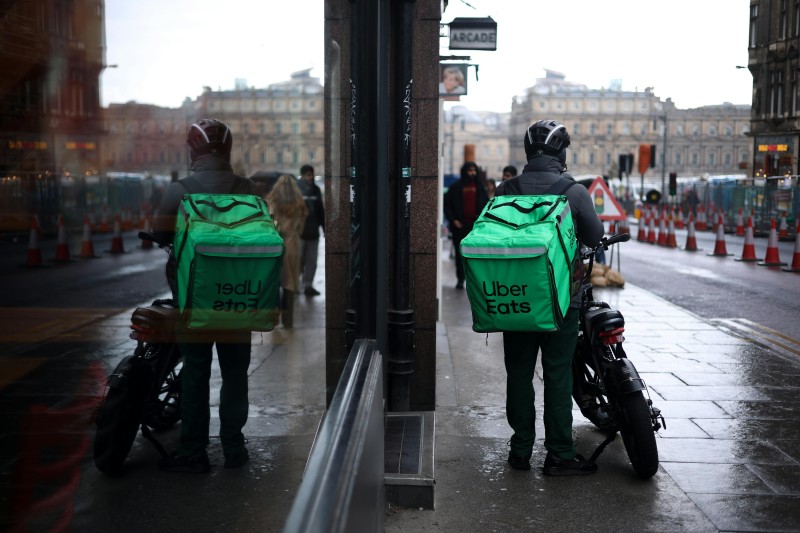
A new report from a leading human rights organization reveals that workers in the United States’ gig economy are being systematically exploited, with major digital platforms trapping them in cycles of low pay and instability while generating billions in profits.
The investigation, titled “The Gig Trap: Algorithmic, Wage and Labor Exploitation in Platform Work in the US,” scrutinizes seven prominent companies, including Uber, Lyft, DoorDash, and Amazon Flex. It documents how these firms misclassify workers as independent contractors, stripping them of basic protections like health benefits, job security, and fair wages.
Drawing on interviews with 95 workers across 13 states—predominantly in Texas—the report paints a stark picture of economic hardship. Many gig workers earn less than the federal minimum wage of $7.25 per hour, with some netting as little as $5.12 after expenses, far below a livable wage. About three-quarters reported struggling to afford housing, and over a third lacked savings for a $400 emergency.
Central to the exploitation, according to the findings, is the use of opaque algorithms that determine pay and assign tasks without transparency. Workers often cannot calculate earnings in advance, as pay is only set once a job is completed. Additionally, fears of account deactivation—effectively firing without notice—loom large, with nearly half of such cases later reversed, pointing to systemic flaws in accountability.
Meanwhile, the platform companies thrive. Uber posted $43.9 billion in revenue with a $9.8 billion net profit in 2024, and DoorDash earned over $10 billion, controlling two-thirds of the U.S. food delivery market. By classifying gig workers as contractors, these firms avoid contributing to Social Security, Medicare, and unemployment insurance—costs that states like Texas absorb, losing an estimated $111 million in unemployment contributions from 2020 to 2022.
In response, Lyft defended its model as offering flexibility, while Amazon engaged with investigators but did not comment officially. Other companies remained silent.
The report urges federal and state authorities to reclassify gig workers as employees, enforce existing labor protections, and mandate algorithmic transparency. It also calls on the U.S. to support international labor standards for platform work through the International Labour Organization.
“As more people turn to gig work to survive, governments must act to ensure dignity, stability, and rights for all workers,” the report’s lead researcher said.