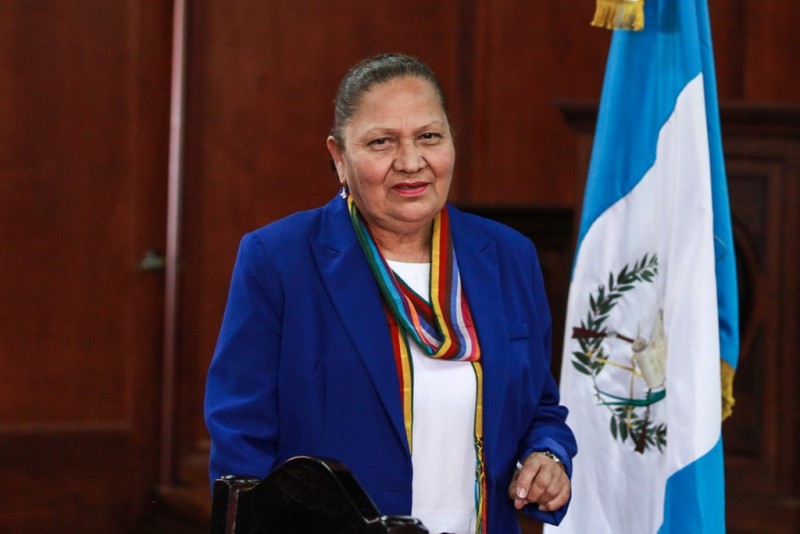
The internationally sanctioned attorney general of Guatemala, María Consuelo Porras, has been formally eliminated from consideration for a third term, marking the conclusion of a contentious period that drew global condemnation and drove numerous anti-corruption prosecutors out of the country.
A national selection committee excluded Porras from its final shortlist of six candidates, which was presented Monday evening. President Bernardo Arévalo, who had previously labeled Porras a threat to the nation and whom she attempted to block from assuming office last year, now has until mid-May to appoint her successor.
Porras, widely criticized for allegedly shielding criminal networks, faced sanctions from the United States, the European Union, and the United Kingdom during her tenure. Her office was also accused of dismantling a United Nations-backed anti-corruption commission and forcing many justice officials into exile.
“The end of Porras’ leadership brings me relief and hope for my people,” said Siomara Sosa, a former prosecutor who spent three weeks in prison in 2022 before fleeing the country on what activists described as baseless charges.
Juan Francisco Sandoval, the exiled former head of the Special Prosecutor’s Office Against Impunity, noted that her removal offers a fragile chance for democratic recovery. “Over these years, the Public Prosecutor’s Office ceased to be viewed as a tool for fighting corruption and came to be seen as an entity that selectively targeted justice officials, journalists, and dissenting voices,” Sandoval said.
Beyond high-profile political repression, critics point to the everyday consequences of her leadership. Sosa noted that while Porras touted a reduction in judicial backlogs, the numbers obscure a pattern of mass case dismissals. “In cases of girls under 14 who are raped, only 2 percent lead to a sentence,” Sosa said.
Despite her exclusion from the shortlist, analysts warn that the transition remains risky. Dozens of legal challenges could still delay the selection process, potentially extending Porras’ mandate beyond May 17. Watchdog groups also express concern that the candidate pool remains flawed, with observers noting that four of the six finalists have records of questionable rulings or suspected ties to criminal networks.
Manfredo Marroquín, president of Transparency International’s Guatemalan chapter, Acción Ciudadana, cautioned that Porras might use her remaining weeks in office to push through retaliatory cases against political opponents or destroy evidence. “There’s a risk she might want to hide evidence of everything that happened at the Attorney General’s Office, making documents disappear or burning files,” Marroquín said.
The next attorney general will face the daunting task of restoring the justice system’s credibility. Experts say the new leader must immediately halt political persecutions, dismantle fabricated cases against exiles, and revive major corruption investigations that were shelved during Porras’ tenure.
Porras did not respond to requests for comment.