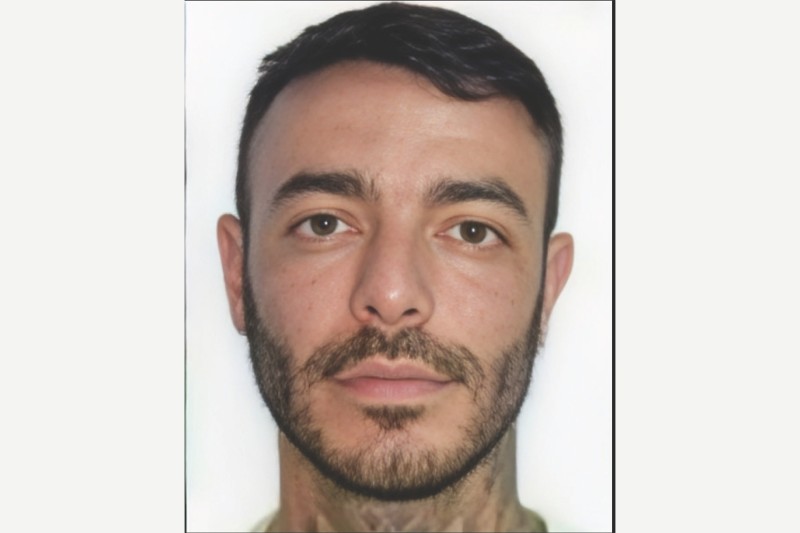
A federal judge in Virginia has ordered that the trial of Sebastián Marset, an alleged Uruguayan drug kingpin, will begin on January 11, 2027. The decision was made during a court hearing on Wednesday, after the judge rejected both prosecution requests to delay the case until March and defense demands for a November start.
Marset’s new attorney, Robert Feitel, argued for a prompt trial, stating that his client would prefer to face proceedings immediately. Prosecutors, however, cited logistical hurdles, including the need to secure visas for law enforcement witnesses from Belgium and Colombia, as well as translators and certified translations of documents and communications. Assistant U.S. Attorney Anthony T. Aminoff described the case as unusually complex, involving multiple foreign jurisdictions and requiring official authorization for some witnesses to travel.
Marset, who was on the Drug Enforcement Administration’s most-wanted list with a $2 million bounty, was captured in a raid in southern Bolivia in March and extradited to the United States. He initially faced money laundering charges, but a superseding indictment filed last week added accusations of cocaine trafficking and narco-terrorism.
In a handwritten letter to the judge that was publicly filed over the weekend, Marset claimed he had been denied basic rights and alleged that DEA agents attempted to extort his family for $4 million in cryptocurrency. He also accused authorities of conducting an irregular rendition that violated international treaties. The judge acknowledged receiving the letter but declined to review it, noting that it constituted improper ex parte communication.
During the hearing, Marset, wearing a green prison jumpsuit, confirmed through an interpreter that he was satisfied with his new legal team. When asked if he had any further questions, he inquired about the letter he had sent. The judge reaffirmed his decision not to consider it.
Prosecutors warned that the defense was preparing extensive pretrial motions, including a recent request to dismiss the original charges on jurisdictional grounds, arguing that the alleged crimes occurred outside the United States. The judge indicated he would address multiple motions together rather than separately.
The trial is expected to last at least two weeks.