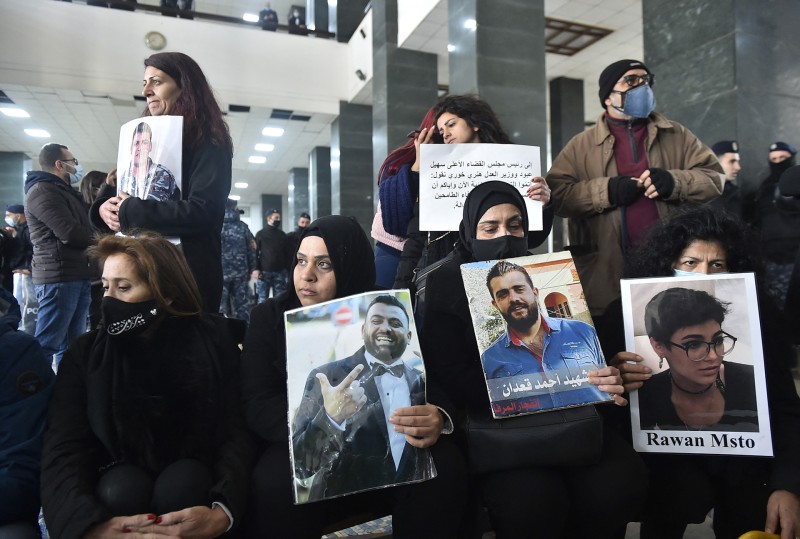
A Lebanese judicial official confirmed that investigating magistrate Tarek Bitar is set to travel to Bulgaria on Wednesday to interrogate Igor Grechushkin, a Russian-Cypriot businessman linked to the catastrophic 2020 port explosion in Beirut. The official stressed that the questioning will move forward independently of the extradition proceedings, highlighting Bulgarian cooperation as “very strong.” Any concerns from Sofia center on the death penalty, which Lebanon has tried to resolve through formal pledges and paperwork.
Grechushkin’s attorney, Ekaterina Dimitrova, stated that a Bulgarian court rejected Lebanon’s extradition request on December 10, citing insufficient guarantees against capital punishment. She noted that Lebanese law allows for the death penalty in cases like terrorism charges, some of which her client faces, making it uncertain that he would avoid such a sentence if convicted. The lawyer added that the Lebanese probe hasn’t reached a judicial phase yet. Bulgarian prosecutors have until December 17 to appeal, after which the Sofia Appellate Court will handle the matter. She declined further comment until new assurances are received.
Mariana Fadoulian, who leads an association of victims’ families, revealed that her group met with Lebanon’s foreign minister and the Bulgarian ambassador to discuss the case. She pointed out that Bulgarian officials claim they haven’t gotten adequate death penalty guarantees, despite a recent visit by Lebanon’s president to Bulgaria. Additionally, a travel restriction on Judge Bitar was lifted by another Lebanese judge, enabling his trip.
Last month, a Bulgarian court delayed a hearing on the extradition, awaiting written promises that Grechushkin wouldn’t face execution if returned. He was detained in Sofia in September following an Interpol Red Notice, after arriving from Cyprus. Lebanese judges had sought his extradition earlier this year as part of the inquiry into the August 4, 2020, blast, which killed at least 218 people and ravaged parts of Beirut.
Reports widely identify him as the owner of the MV Rhosus, the vessel that transported nearly 3,000 tons of ammonium nitrate to Beirut in 2013. Subsequent investigations revealed he held a lease on the ship, which belonged to a Cypriot shipping magnate.