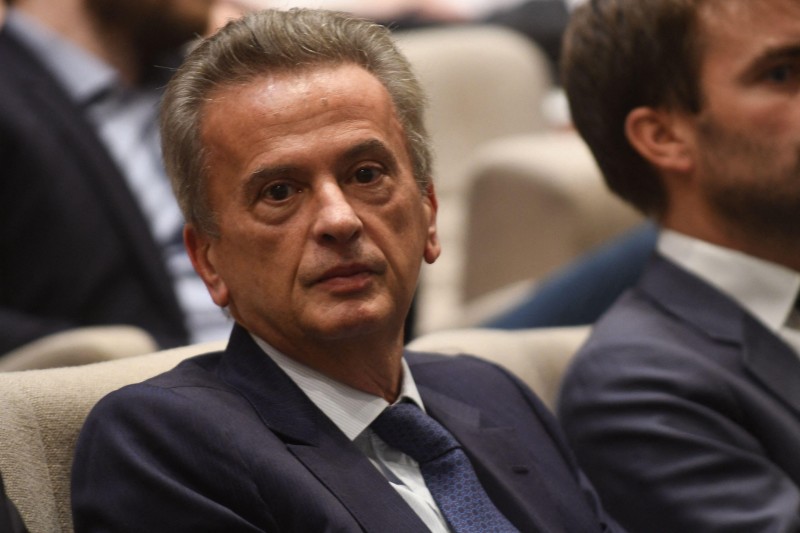
Lebanese authorities have moved forward with indicting the country’s former central bank chief, Riad Salame, on charges of embezzling $44 million in public funds, marking the first domestic legal action against the once-powerful financial figure.
A decision from Judge Bilal Halawi of the Beirut Court of Cassation has referred Salame to trial for alleged embezzlement, forgery, and illicit enrichment. Two of his former legal advisors, Michel “Micky” Tueni and Marwan Issa Al-Khoury, face similar accusations and have been sent to the Beirut Criminal Court. Salame remains in custody after a fourth bid for release was turned down.
The case revolves around claims that Salame orchestrated a scheme using the brokerage firm Optimum Invest to manipulate billions in treasury bond transactions. Prosecutors argue this involved “round-tripping,” a method to artificially boost income flows and conceal major losses at Lebanon’s central bank.
Salame, who headed Banque du Liban for three decades until July 2023, has consistently denied any misconduct. However, he is also under investigation in several European nations, including France, Germany, Switzerland, Luxembourg, and Liechtenstein, where authorities suspect he and his associates laundered hundreds of millions through offshore accounts and luxury real estate.
Swiss prosecutors launched a criminal probe in 2021, and subsequent evidence has linked Salame to a wider network of financial crimes. In 2023, European investigators visited Beirut to strengthen their cases abroad. A source close to those probes noted that Salame may ultimately face trial overseas, possibly in absentia.
In response to the referral, Salame’s media office criticized the case as “hastily prepared” and “legally flawed,” calling it a politically motivated effort to blame him for Lebanon’s economic troubles.
The indictment arrives amid growing domestic and international frustration over Lebanon’s sluggish efforts to prosecute financial leaders for alleged corruption. The country’s new central bank governor, Karim Souaid, who assumed office last month, has pledged reforms and a crackdown on illicit money flows, vowing to eliminate the illegal economy.
While the charges against Salame represent a landmark step in Lebanon’s accountability drive, they also highlight the intense global pressure to hold those responsible for the nation’s financial collapse to justice.