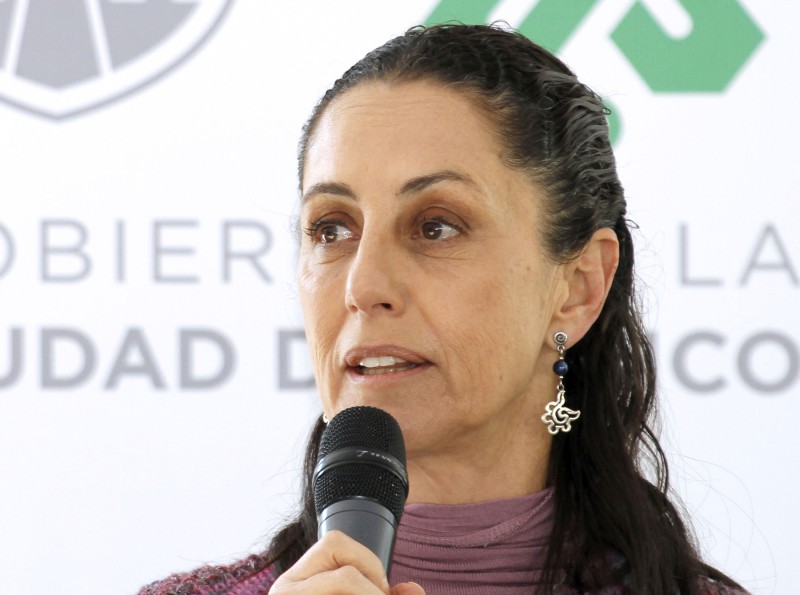
Mexico sent 26 individuals linked to major drug cartels to the United States, with President Claudia Sheinbaum declaring the action a “sovereign decision” aimed at bolstering domestic security.
The suspects, affiliated with the Jalisco New Generation Cartel and the Sinaloa Cartel, were flown to the U.S. on Tuesday to face charges including drug trafficking. American authorities confirmed that none of the extradited individuals would face capital punishment.
Sheinbaum stated that the transfer was based on assessments conducted by Mexico’s intelligence and security bodies, emphasizing that it stemmed from independent national judgment rather than external demands. The administration has faced pressure from Washington to intensify anti-drug operations, with some discussion of potential U.S. military involvement on Mexican soil. Sheinbaum has firmly rejected any such intervention.
This extradition, the second since Sheinbaum assumed office in October, follows a similar move in February when 29 alleged cartel leaders were handed over. That previous transfer sparked internal debate about whether the government acted on legal merit or under U.S. political pressure.
The Trump administration has linked Mexico’s trade benefits to its success in curbing fentanyl trafficking and has classified certain Mexican drug groups as global terrorist organizations. Despite tensions, both governments are nearing a new security pact to enhance intelligence sharing and joint law enforcement actions.
The CJNG and Sinaloa Cartel continue their violent competition over trafficking routes, contributing to high murder rates in Mexico and the fentanyl epidemic in the U.S. The 26 suspects will now face trial in American courts, a development likely to have political implications on both sides of the border.