Authorities in Nepal have detained six executives from three leading mountain rescue firms, accused of orchestrating a large-scale insurance scam that siphoned nearly $19.7 million from foreign companies. The arrests, announced by police on Monday, are part of an investigation into a scheme that allegedly involved hundreds of fake helicopter evacuations in the Himalayas.
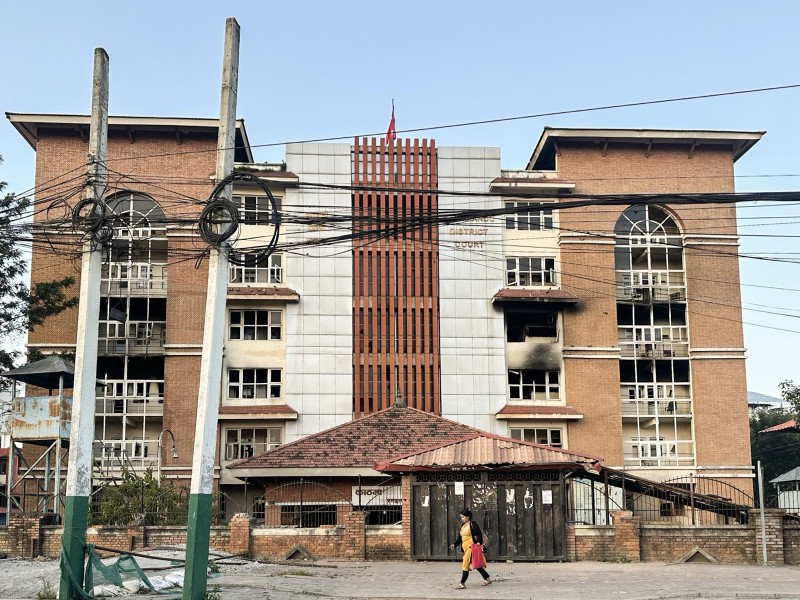
The Kathmandu District Court ordered the suspects into five days of custody as the probe unfolds. Police allege the executives staged unnecessary helicopter rescues of foreign trekkers in high-altitude zones such as Everest, Annapurna, and Langtang, then submitted forged medical reports and flight logs to justify the operations. The fraudulent claims were subsequently forwarded to international insurers for reimbursement.
“Our initial inquiry suggests roughly 300 such fake rescues were conducted,” said Shiva Kumar Shrestha, a spokesman for the Central Investigation Bureau. He described the alleged fraud as “systemic,” noting it likely involves a broader network of hospitals, helicopter operators, and trekking guides. “We are actively investigating all links in this chain,” he added.
Prosecutors are pursuing charges that include offenses against the national interest, citing the reputational harm the scheme has caused to Nepal’s vital tourism sector. Tourism is a cornerstone of Nepal’s economy, attracting nearly 1.2 million visitors annually, with about 300,000 engaging in high-altitude treks. The scandal dates back to a 2018 government investigation that flagged over a dozen companies for similar activities, but no legal action was taken at that time.
Industry leaders have welcomed the arrests, viewing them as a step toward restoring trust in a sector dependent on foreign travelers. “Nepal is seen as a land of honest people and pure spirit, but these practices tarnished that image,” said Deepak Raj Joshi, chief executive of the Nepal Tourism Board. “If corrected now, it will strengthen confidence in the long run. A thorough investigation can only boost visitor faith.”
The case has sparked broader discussions about oversight in Nepal’s mountaineering industry, where rescue operations are a lucrative business. The current arrests build on earlier evidence, and authorities promise a sweeping probe to uncover the full extent of the alleged fraud.