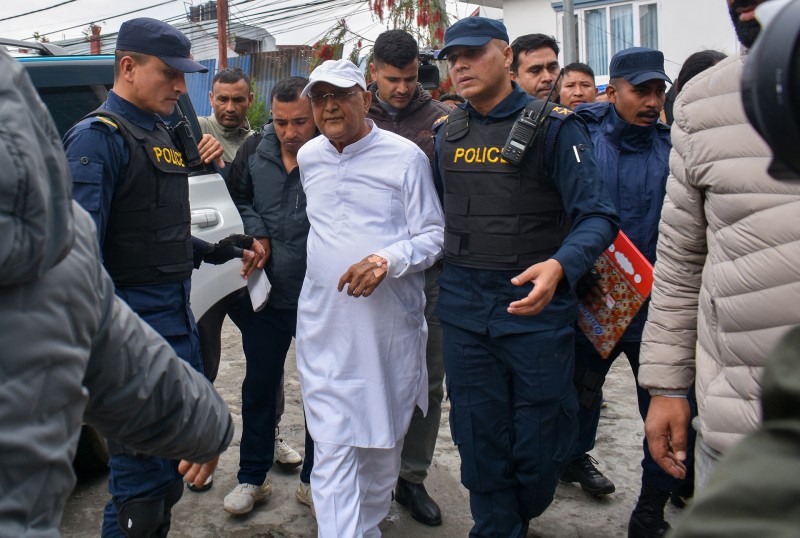
In a dramatic predawn raid on March 28, authorities descended on the home of former Prime Minister K.P. Sharma Oli in a village east of Kathmandu, arresting him on charges of criminal negligence linked to the deaths of 76 protesters last year. The operation marked the beginning of a sweeping anti-corruption campaign that has already netted 10 high-profile figures within days.
The arrests began just 18 hours after a new administration was sworn in, led by 35-year-old former rapper and Kathmandu mayor Balendra Shah. His government, propelled into power by nationwide youth protests, has moved with remarkable speed against a political establishment long viewed as untouchable.
Home Minister Sudhan Gurung, a former DJ, set the tone on his first day: “No one is above the law. This is not revenge, it is just the beginning of justice.”
Those detained include former Energy Minister Deepak Khadka on money laundering charges, while arrest warrants have been issued for another ex-prime minister, Sher Bahadur Deuba, and former Foreign Minister Arzu Rana Deuba in a separate financial probe. Prominent business figures have also been caught in the net, including the chairman of a major conglomerate under investigation for suspicious transactions.
Beyond the elite, authorities report over 460 people have been arrested for acting as intermediaries in bribery and intimidation schemes since the government took office, with 130 remaining in custody.
For many citizens, the crackdown represents long-awaited accountability. “They looted the public and made the poor miserable,” said one Kathmandu resident.
However, analysts urge caution. The nation ranks 109th on Transparency International’s corruption index, and previous reform drives following popular uprisings in 1990 and 2006 ultimately failed to deliver lasting change. Political analyst Lok Raj Baral noted that commissions established after those movements never produced results.
The Nepal Bar Association’s president warned the arrests might be politically motivated theater. “This is what every government does after an election or a movement,” he said. “They show activity, but it’s part of a cycle.”
The government has announced a 100-point plan, including a committee to investigate the wealth of senior officials over the past 34 years. Anti-corruption watchdog Transparency International Nepal called it a “laudable beginning.”
But pushback is already mounting. Supporters of the former premier have launched street protests, labeling the detentions unlawful, while legal challenges have been filed at the Supreme Court. The former prime minister himself has been hospitalized, claiming political persecution.
The nation also faces pressure to strengthen its financial oversight after being placed on an international watchlist for anti-money laundering deficiencies.
Good governance expert Kashi Raj Dahal suggested giving the government 100 days to demonstrate whether its promises will translate into lasting reform. “The public mandate is for corruption control and restoration of the rule of law,” he said. “We must see if this political will continues.”