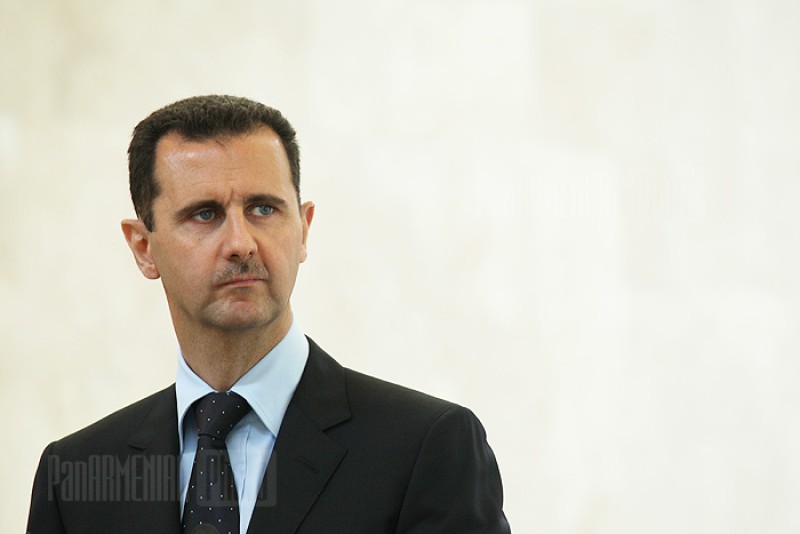
A new analysis by a London-based legal organization highlights deep-rooted corruption under the ousted president’s rule, cautioning that failing to address these economic crimes could undermine Syria’s fragile transition.
The Syrian Legal Development Program’s report identifies six major corrupt practices tied to the former regime, including the country’s shift toward becoming a narco-state and the surge in captagon trafficking. These activities, it argues, were not just for personal enrichment but also served as tools to sustain authoritarian control amid the nation’s prolonged civil war.
According to the group, systemic corruption was a hallmark of governance under the Assad dynasty, particularly during the 24-year presidency of Bashar al-Assad. The report warns that if Syria’s transitional authorities, led by Interim President Ahmad al-Sharaa, fail to tackle these economic crimes, efforts for justice and long-term stability could be jeopardized.
“Economic crimes must be treated with the same gravity as atrocity crimes. Corruption has historically allowed perpetrators to escape accountability, as seen in countries like Chile, the Philippines, and Indonesia,” said Alreem Kamal, a legal officer with the program.
A particularly troubling aspect highlighted is the so-called “industry of disappearance,” where intelligence agencies and detention centers extorted families for money in exchange for information, visitation rights, or promises of release. Since 2010, this practice is estimated to have generated around $900 million.
In response, Syria’s transitional government has set up two commissions in May to address transitional justice and the fate of missing persons. The European Union praised this move, calling it a vital step toward truth and reconciliation.
However, the report stresses that more needs to be done, including recovering assets illicitly acquired by regime officials. It calls for international cooperation in tracing and reclaiming these funds and urges deep institutional reforms in sectors most affected by corruption.
Questions remain about how to hold influential businessmen and their networks accountable while avoiding further damage to an already weakened economy, as noted by Syrian economist Karam Shaar.
While authorities have formed a “special committee” to investigate financial networks linked to prominent regime-linked tycoons, many other figures remain untouched. Senior operatives, like Assad’s longtime financial fixer Yasser Ibrahim, have reportedly fled with the former president, and authorities are now trying to trace assets that may have been laundered through shell companies.
Despite some progress, the financial probes and settlements remain opaque, raising concerns about transparency and whether the deeply entrenched structures of corruption are truly being dismantled.
“Transparency is critical,” said Shaar. “Records of economic decisions—including financial settlements with former cronies or foreign investments—must be made public. Independent audits can help prevent corruption, build public trust, and secure international support.”