Newly uncovered documents reveal that Syrian intelligence was actively monitoring an independent journalism group just weeks before the regime’s collapse, exposing the government’s deep-seated paranoia about press freedom.
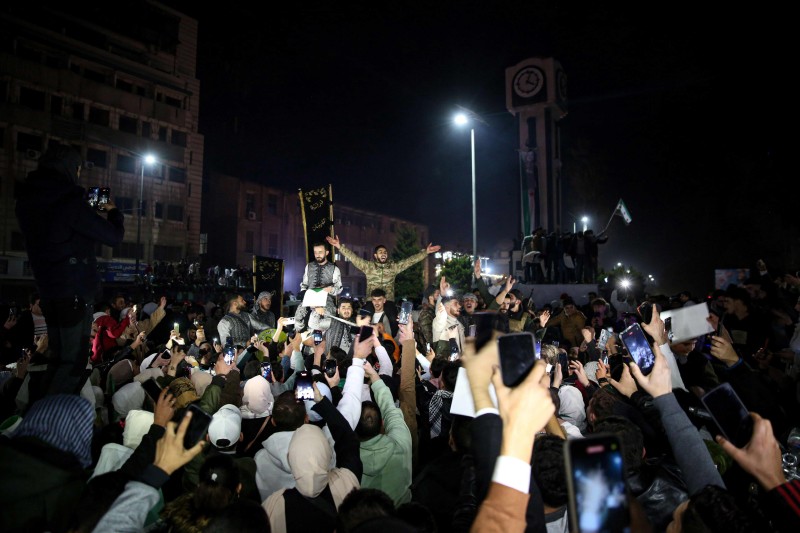
The documents, discovered at the headquarters of the General Intelligence Directorate following the takeover by rebel forces on December 8, detail a surveillance operation against Syrian Investigative Reporting for Accountability Journalism, a collective that has exposed official corruption and human rights abuses since 2019.
The intelligence agency alleged in internal memos that the group was “merely a front for espionage activities,” claiming journalists were gathering intelligence on military and security institutions. These accusations were baseless but reflected the regime’s hostile stance toward independent reporting.
Throughout the conflict, security forces detained hundreds of journalists. According to advocacy groups, 23 journalists remained imprisoned when the government fell, with seven more classified as forcibly disappeared. Since 2011, at least 181 media professionals have been killed by regime forces.
The surveillance files were uncovered by a Syrian journalist who visited the abandoned intelligence headquarters on December 20. The documents revealed that agency officials viewed routine journalistic practices—interviews and document reviews—as covert operations, with claims that information was shared with Western intelligence networks.
An October 17 memo authorized an operation to monitor the collective, with instructions to intelligence stations abroad to gather detailed information about those running the platform. The directive came from the intelligence chief, whose current location remains unknown.
The surveillance operation had immediate consequences. Two armed agents interrogated the father of a journalist living overseas at his workplace, searching his phone and causing the family to temporarily flee their home.
Since the regime’s fall, victims and families are seeking accountability. International observers note that while prosecution options exist, the process will be lengthy, requiring extensive evidence gathering and victim identification. The transitional government has pledged to restore judicial trust and establish tribunals for those who committed crimes against civilians.