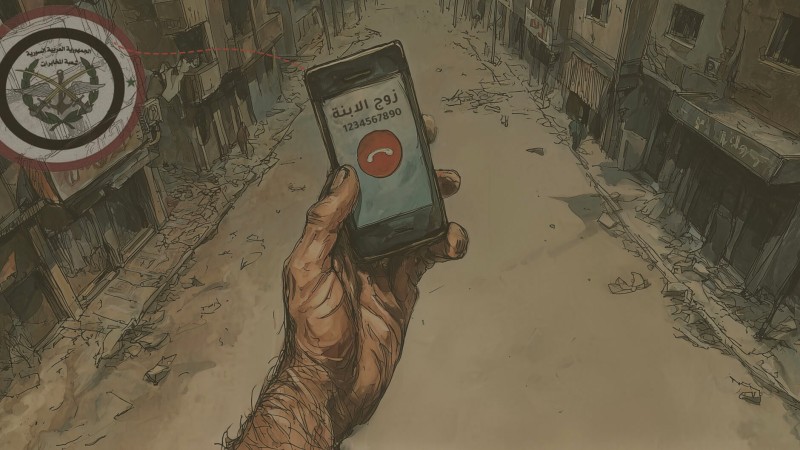
Documents uncovered after the collapse of the former government reveal that a major private telecommunications company provided intelligence agencies with unrestricted access to subscriber information, including call records and personal details.
The cache of files, totaling 134,000 documents from Syrian security services, was obtained by a German broadcaster and shared with a global network of investigative journalists. These records shed light on the workings of the former security apparatus and its ties to domestic and international actors.
One of the companies central to the findings is Syriatel, whose former chairman is a relative of the ousted leader and has been under international sanctions. A 2020 intelligence report details the questioning of six individuals, including the firm’s IT director, regarding the chairman’s business dealings. During this questioning, it emerged that the IT department routinely supplied the Communications Directorate—a unit within the Ministry of Defence—with all subscriber data and communications logs, including backup copies.
A former employee confirmed this arrangement, stating that access to such information was not optional but standard practice. He described how staff rationalized their work as serving the nation, believing the system would eventually outlast the regime.
The civilian intelligence agency that compiled the 2020 report was a key instrument of internal control. Since the government’s fall in late 2024, it has been restructured under new leadership. The current administration has stated that bulk data sharing with law enforcement has ceased, with future access requiring court orders.
Additional memos from 2024 show ongoing exchanges between security units, listing phone numbers, SIM card details, and even text message content attributed to subscribers of at least two telecom providers. Personal details of users—including names, addresses, and identification numbers—were also circulated.
One activist whose number appeared in these files said the surveillance forced him to limit his movements for fear of abduction. “They monitored everything,” he recalled. “Speaking out against the former leader made you a target.”
Another researcher noted that transcripts of phone calls were found handwritten in a security office after the regime’s fall. He added that the knowledge of widespread monitoring had long suppressed public discussion of political issues.
A former industry insider summarized the atmosphere by saying the former regime was driven by an obsession with total information control. “All data from the telecom companies was available to the state and its security branches,” he concluded.