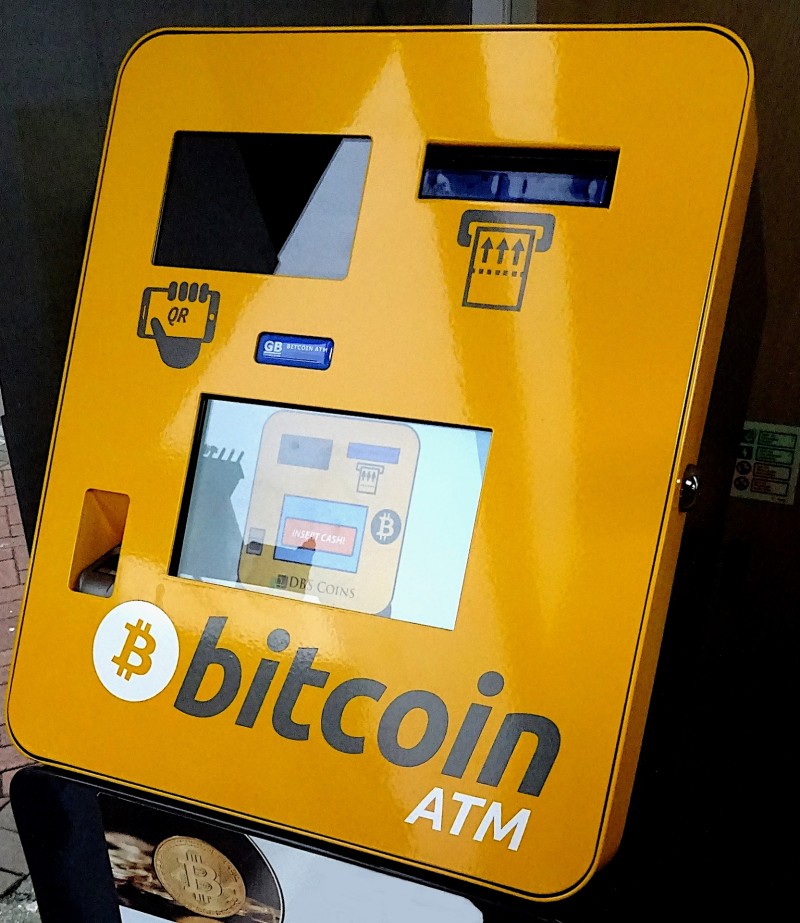
The U.S. Treasury Department on Monday issued a fresh alert to financial institutions, urging them to monitor cryptocurrency ATMs for signs of money laundering and fraud. These machines, officially called convertible currency kiosks, let users swap cash for digital assets like Bitcoin and vice versa.
A new directive from the Financial Crimes Enforcement Network marked the first time the agency focused exclusively on these kiosks. “While they offer a simple way for people to access digital currency, scammers and criminals exploit that same simplicity,” the agency stated.
Data from the FBI shows the problem is growing fast. Reports of scams involving these kiosks hit 10,956 cases in 2024, with losses totaling roughly $246.7 million. That’s a 99% jump in complaints and a 31% rise in victim losses compared to the previous year.
The machines have become a favorite tool for drug cartels. The Drug Enforcement Administration noted that groups like Jalisco New Generation Cartel are using digital currencies to move money quickly across borders, sometimes preferring kiosks over smuggling cash in bulk.
A recent investigation uncovered that kiosks are often placed in low-income neighborhoods, common in gas stations and laundromats with heavy foot traffic. Scammers, frequently operating abroad, build trust with victims through romance schemes or fake tech support calls, then convince them to deposit cash into these machines and send the converted currency overseas.
The 12-page FinCEN notice lists warning signs for banks and reminds them of legal duties to flag suspicious transactions involving cash or crypto. It also highlights a link to “pig butchering” scams, where fraudsters groom victims over time before draining their savings.
Since 2023, the FBI estimated losses from such schemes at over $120 million, but the latest figures suggest the toll is climbing sharply. The Treasury’s call for vigilance aims to curb this rising threat to consumers and financial systems alike.