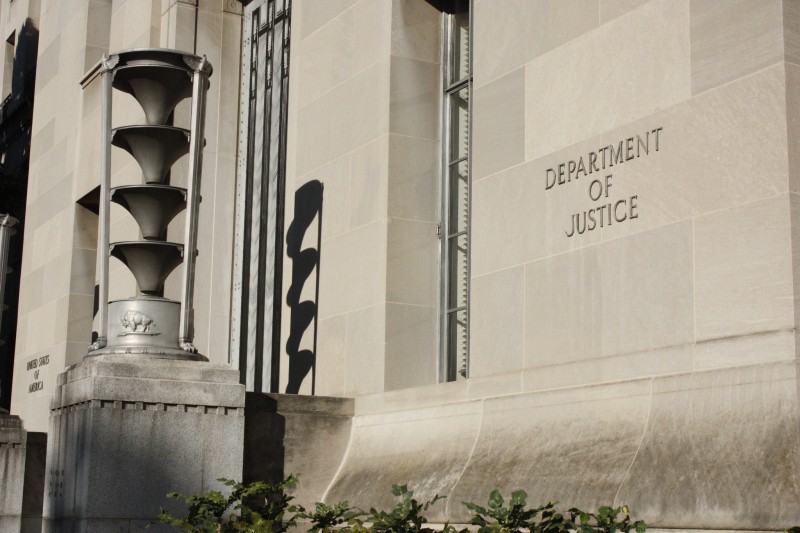
The U.S. Department of Justice has resumed enforcement of the Foreign Corrupt Practices Act after a six-month hiatus, but with a significantly narrowed scope that critics warn may reduce accountability for corporate misconduct abroad.
Under new guidelines issued by Deputy Attorney General Todd Blanche, prosecutors will now focus on cases that “directly undermine U.S. national interests,” including money laundering and activities linked to cartels and transnational criminal organizations. This marks a shift from previous priorities, which targeted a broader range of foreign bribery schemes.
Gary Kalman, executive director of Transparency International U.S., noted that while focusing on organized crime could be a sensible approach, the directive raises concerns about the Justice Department’s commitment to combating other forms of transnational bribery. “We will need to examine future enforcement actions to see if these criteria limit accountability for harms caused by bribery schemes that don’t directly affect the U.S.,” he said.
Blanche also revealed that the department has dismissed nearly half of the foreign bribery investigations initiated under the prior administration. The goal, he explained, is to pursue cases that clearly impact national security and economic competitiveness, rather than penalizing legitimate business operations overseas.
Critics have sharply condemned the policy shift. Rick Claypool, a research director at Public Citizen, stated bluntly: “American corporations that engage in criminal bribery schemes abroad will no longer face prosecution. That’s the core of this new approach.” He further criticized the broader pattern of reduced corporate accountability, citing the Justice Department’s recent decision to drop a lawsuit against Boeing over fatal crashes.
The revised guidelines list four factors for prosecutors to weigh, including whether a bribery scheme deprived specific U.S. entities of fair market access or caused financial harm to American businesses or individuals. Matthew Galeotti, acting head of the Justice Department’s Criminal Division, said, “Prosecutors will now focus on misconduct that genuinely affects the United States. Cases that don’t involve U.S. interests should be handled by foreign authorities or other regulators.”
The suspension of FCPA enforcement began in February under an executive order from the Trump administration, which paused prosecutions for 180 days to review the law’s impact. At the time, officials argued the law harmed American companies’ global competitiveness and was a “horror show,” according to President Trump.
Kalman pushed back against the notion that the FCPA burdens businesses. “Bribery distorts markets, disadvantages honest companies, and can cause widespread harm to local populations,” he said. “Holding corrupt actors accountable is not a burden—it is a government responsibility.”